

28 May Wound Care in Muskogee vs. Driving to Tulsa: Which Is Better?
When you or a loved one is managing a chronic wound, the choice between wound care in Muskogee vs. driving to Tulsa is more than a matter of mileage—it’s a decision that affects healing time, comfort, cost, and quality of life.
For residents of Muskogee, OK, and the surrounding communities, the assumption has long been that “real” specialized care requires a trip to the big city. But that assumption deserves a closer look. The reality is that the right wound care, delivered close to home, can produce outcomes that are just as strong (and often better) than what you’d get after a long, exhausting commute up Highway 51.
This post breaks down the real trade-offs so you can make a confident, informed decision about where to receive your care.
The Hidden Cost of Driving to Tulsa
On a map, the drive from Muskogee to Tulsa looks simple—roughly 50 miles, give or take, depending on which part of the city you’re heading to. But the map doesn’t tell the whole story. A single wound care appointment in Tulsa can easily consume half a day once you account for the round-trip drive, traffic on the Muskogee Turnpike or I-44, time spent finding parking at a large medical complex, and the inevitable waiting room delay at a busy urban clinic.
Now multiply that by reality. Chronic wounds, especially diabetic foot ulcers and pressure ulcers, don’t heal in a single visit. Proper wound management often requires weekly or even twice-weekly appointments over several weeks or months. What seemed like a manageable trip becomes a recurring burden that eats into work hours, family time, and energy reserves you may not have to spare.
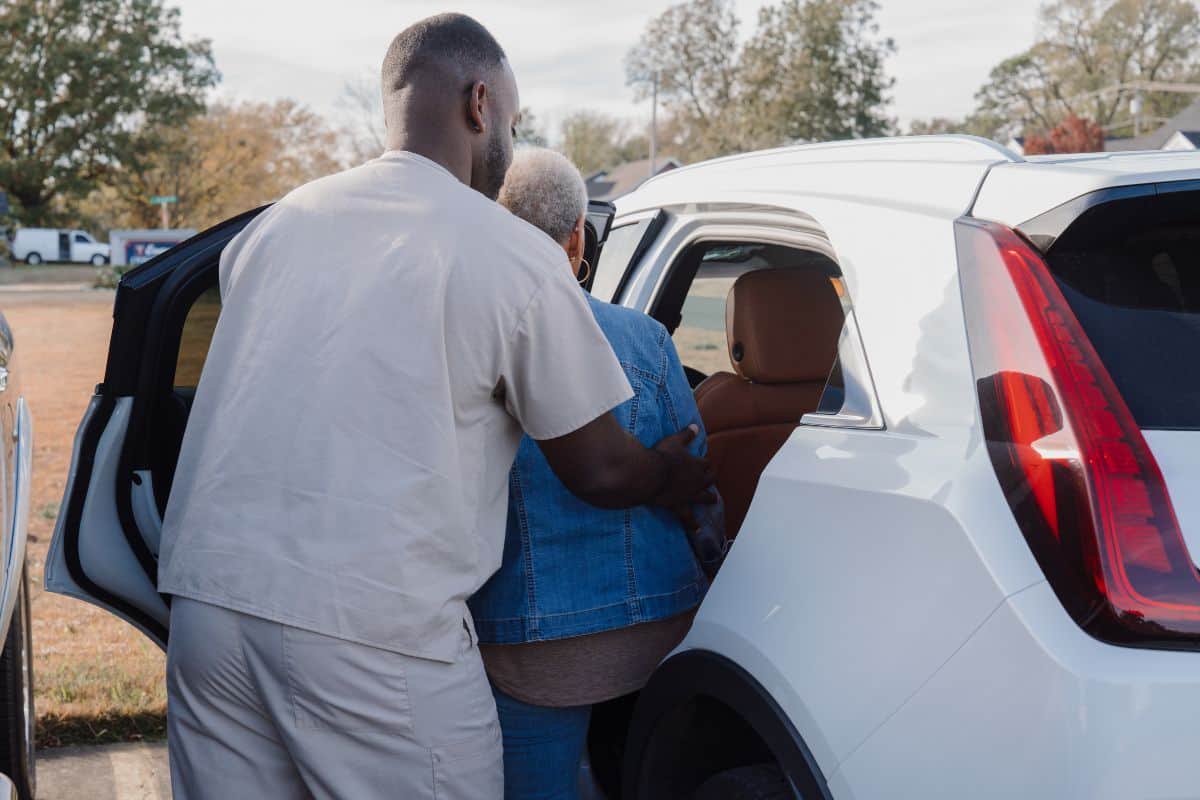
For patients with limited mobility, neuropathy, or post-surgical restrictions, the drive itself can be physically taxing. Sitting in a car for an hour-plus each way can aggravate swelling, increase discomfort, and in some cases, compromise the very wound you’re trying to heal. The journey is rarely as harmless as it appears on paper.
Why Local Wound Care in Muskogee Makes a Difference
Healing is not just about the procedure a clinician performs in the exam room—it’s about consistency, follow-through, and reducing every obstacle that stands between a patient and their next appointment. This is precisely where local care wins.
When wound care is available in Muskogee, patients are far more likely to keep their appointments, follow their treatment schedules, and catch early warning signs before a wound worsens. A short, low-stress trip across town means fewer missed visits, less reason to “wait and see,” and a treatment plan that actually gets completed. In wound care, consistency is the difference between a wound that closes and one that becomes a hospital admission.
There is also the matter of relationship-driven care. Larger urban centers often rotate patients among multiple providers so that you may see a different face at each visit. Local, specialized clinics tend to offer continuity—the same experienced clinician who knows your history, tracks your progress over time, and adjusts your plan based on what they personally observed last week. That familiarity translates into sharper clinical judgment and a treatment plan tailored to you rather than a chart.
It’s worth dispelling a stubborn myth here: local does not mean lesser. Expertise is about the clinician, not the zip code. A wound care specialist with decades of hospital-grade experience delivers that same expertise whether their office is in downtown Tulsa or right here in Muskogee. The credentials travel with the practitioner.
Call Winds of Change today to schedule your consultation and find out how much easier your wound care can be.
Comparing the Two Options Honestly
Some situations genuinely call for a Tulsa facility—certain advanced surgical interventions, hyperbaric oxygen therapy, or complex multi-specialty hospital cases demand resources only a large medical center can provide. Knowing when you genuinely need that level of facility makes you a smart patient, and a good local provider will tell you honestly when you need a referral.
But for the vast majority of wound care needs—diabetic foot ulcers, chronic non-healing wounds, post-surgical wound monitoring, pressure injuries, and routine medical-grade nail and foot care—the day-to-day management is well within the scope of skilled local specialists. For these everyday yet critical needs, staying in Muskogee saves time, money, and physical strain while delivering equally strong clinical results.
A couple of practical points worth keeping front of mind as you weigh your options:
- The total cost exceeds the bill. When comparing options, factor in fuel, vehicle wear, parking fees, and lost wages from a half-day commute, not just the clinical charge—local care often comes out ahead once you add up these “invisible” expenses.
- Healing thrives on routine. The option that makes it easiest to show up consistently is almost always the option that heals your wound fastest, and proximity is one of the biggest predictors of appointment adherence.
Why Choose Winds of Change
Winds of Change brings specialized, hospital-caliber wound care directly to the Muskogee, OK community—so you no longer have to choose between convenience and quality. Lynette Gunn, a Clinical Nurse Specialist with more than two decades of experience, founded the practice on a simple philosophy: your mobility is your freedom, and the goal is to keep you on your feet and out of the operating room.
Lynette’s background includes nearly two decades providing expert wound care at the Jack C. Montgomery VA Medical Center in Muskogee, where surgeons trusted her with both chronic and acute wounds—and, in their own words, with their own care.
That same evidence-based, relationship-driven approach now serves neighbors across Muskogee, Ft Gibson, Tulsa, Broken Arrow, and Okmulgee. The focus is on non-surgical preventive care: managing complex wounds, providing medical-grade nail care, and preventing small problems from becoming big ones. Choosing local care from a clinician of this caliber means you get the expertise of a major medical center without the major commute.
Conclusion
The choice between staying in Muskogee or driving to Tulsa ultimately comes down to a clear-eyed look at what actually drives healing: skilled hands, consistent appointments, and a plan you can realistically stick to.
For most patients, the long drive adds cost and strain without adding clinical value—while quality local care removes obstacles and keeps recovery on track. When you can get experienced, specialized wound care right here in your own community, the “convenience versus quality” trade-off largely disappears.
Reach out to Winds of Change and take the first step toward better, closer, more convenient wound care.
Frequently Asked Questions
How often will I need to come in for wound care appointments?
It depends on the type and severity of the wound, but many chronic wounds require weekly or twice-weekly visits during the active healing phase. Your provider will set a schedule based on how your wound responds and may space appointments further apart as it improves.
What’s the difference between a diabetic foot ulcer and a regular wound?
Diabetic foot ulcers are open sores that often develop on the bottom of the foot in people with diabetes, frequently linked to nerve damage (neuropathy) and reduced blood flow. They tend to heal more slowly than ordinary wounds and carry a higher risk of infection, which is why specialized monitoring matters.
When should a specialist see a wound instead of being treated at home?
A wound should be evaluated by a professional if it shows signs of infection (increased redness, warmth, swelling, odor, or drainage), hasn’t started healing within about two weeks, is deep, or occurs in someone with diabetes or poor circulation. Early intervention prevents complications.
Is non-surgical wound care effective for chronic wounds?
Yes. Many chronic wounds respond well to non-surgical management, which may include specialized dressings, debridement, infection control, offloading pressure, and addressing underlying causes such as circulation or blood sugar. Surgery is typically reserved for more complex cases.
Does insurance usually cover wound care visits?
Coverage varies by plan, but medically necessary wound care is commonly covered by Medicare and most insurance plans. It’s best to confirm specifics—copays, referral requirements, and covered services—directly with your insurance provider before starting treatment.
Sorry, the comment form is closed at this time.