

24 Jun How to Treat Thickened Toenails in Diabetic Patients
Knowing how to treat thickened toenails in diabetic patients is not just a matter of comfort, it is a matter of preventing serious, limb-threatening complications. For people living with diabetes, what looks like a simple cosmetic nail problem can quickly become a direct pathway to infection, ulceration, and in the worst cases, amputation. The connection between nail health and overall foot health in diabetic patients is tighter than most people realize, and the stakes are high.
At Winds of Change in Muskogee, OK, our clinical team led by Lynette Gunn, a Clinical Nurse Specialist with over two decades of wound and foot care experience, provides specialized diabetic nail care designed to treat what is already there and prevent what could develop next.
Why Do Toenails Thicken in Diabetic Patients?
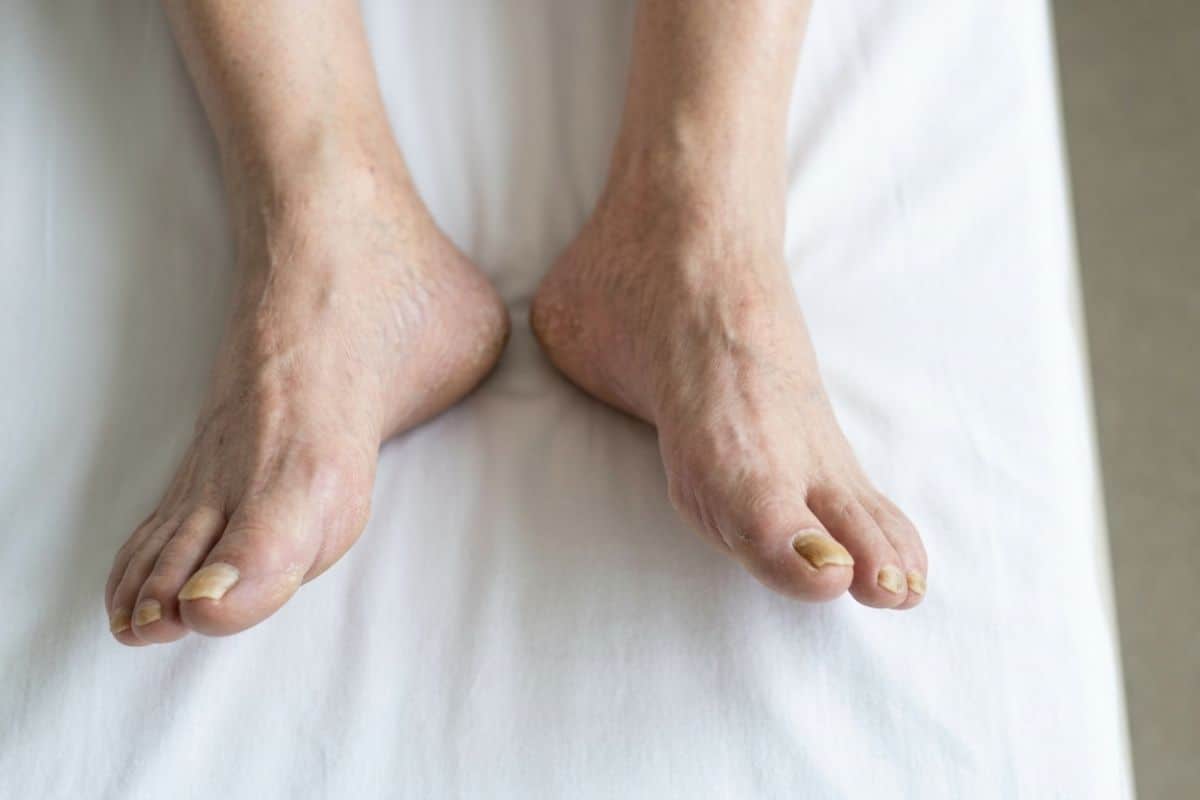
Toenail thickening in people with diabetes typically comes from one or more overlapping causes. The most common is onychomycosis, the clinical name for a fungal nail infection. Elevated blood sugar creates a nutrient-rich environment that fungi thrive in, and a compromised immune response means the body cannot clear the infection as efficiently as it would in a healthy person. The result is a nail that becomes thick, discolored, brittle, and difficult to trim.
Poor peripheral circulation is the second major driver. When blood flow to the toes is reduced, the nail matrix, which is the tissue at the base of the nail responsible for growth, does not receive adequate oxygen and nutrients. The resulting nail grows abnormally, often becoming thickened, ridged, and opaque rather than clear and smooth. Trauma from ill-fitting footwear can compound both of these mechanisms, as repeated pressure against the nail triggers a thickening response as the nail attempts to protect the underlying tissue.
Understanding which cause is driving the thickening is essential, because the treatment differs significantly depending on the root issue.
The Risk Thickened Nails Pose
A thickened toenail may look like a cosmetic problem, but it creates real physical risks. A thick nail confined inside a shoe generates pressure against the toe pad and surrounding skin. In a patient with diabetic neuropathy, that pressure does not produce pain, which means the damage can continue undetected. The skin beneath and beside the nail can ulcerate under that constant force, creating an open wound that becomes an entry point for bacteria.
Fungal toenails also carry a documented risk of increasing the probability of diabetic foot ulcer development substantially when left untreated. The thickened, distorted nail can press into the nail fold, break the skin barrier, and allow bacterial infection to take root in an area that is already healing slowly due to poor circulation and elevated glucose.
How to Treat Thickened Toenails in Diabetic Patients: Professional Care First
The most important rule when it comes to treating thickened diabetic toenails is this: do not attempt aggressive home nail trimming without professional guidance, and in many cases, professional trimming is the only safe option.
Thick nails require significantly more force to cut than normal nails, and that force applied at the wrong angle or with poorly sterile instruments can crack the nail, nick the surrounding skin, or drive a nail edge into the flesh. In a person with neuropathy, that injury happens without pain. In a person with compromised circulation, it heals slowly. A small nick from improper nail trimming can become a serious infection within three to five days if it is not identified and treated promptly.
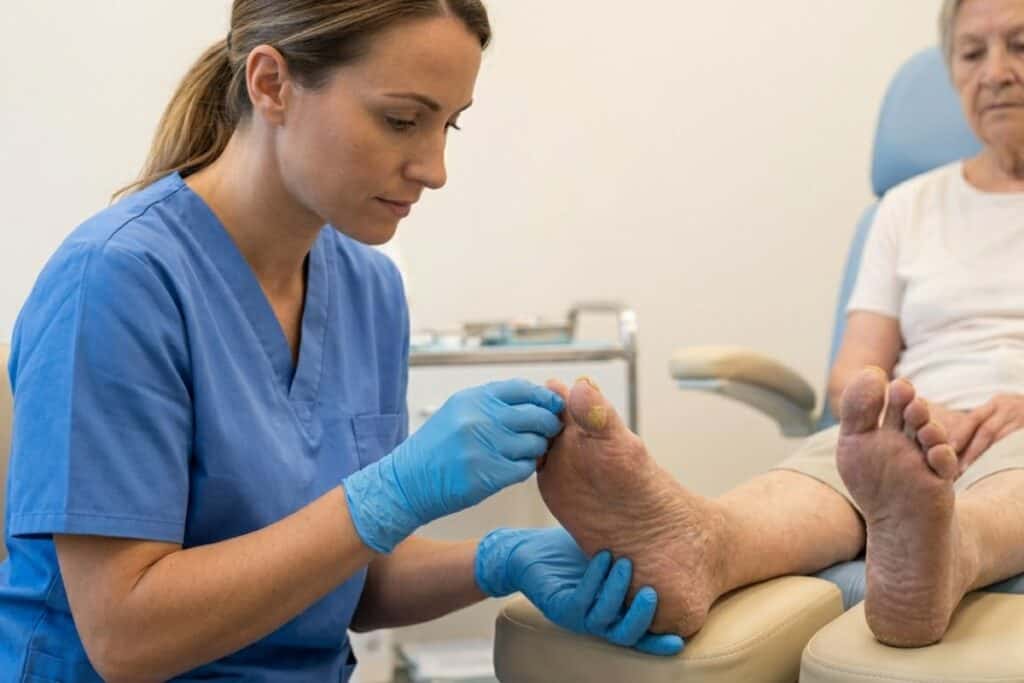
A qualified clinician can reduce the nail thickness using a medical-grade file or instrument, trim it safely along the correct line, and inspect the surrounding skin for any early signs of breakdown or infection. They can also differentiate between thickening caused by fungal infection versus mechanical trauma, which determines what treatment comes next.
When fungal infection is confirmed, treatment options typically include topical antifungal agents applied directly to the nail, oral antifungal medications for more severe cases, and in some patients, nail removal when the nail is too damaged to respond to conservative care. The American Academy of Family Physicians notes that oral terbinafine is the most commonly recommended systemic antifungal for onychomycosis, though medication selection must account for any liver or kidney considerations in diabetic patients.
Safe At-Home Maintenance Between Professional Visits
While professional care should be the foundation of diabetic nail management, there are evidence-based habits patients can follow at home to slow thickening, reduce fungal risk, and prevent the complications that come from neglect.
Keeping nails trimmed straight across, never curved at the corners, reduces the risk of ingrown edges. Nails should be filed rather than cut aggressively when they are very thick. Feet should be washed daily with mild soap and warm water and dried thoroughly, especially between the toes where moisture encourages fungal growth. Moisturizing the skin of the foot (excluding between the toes) helps prevent the cracking that creates entry points for bacteria near the nail margins.
Footwear matters enormously. According to the NIDDK, proper diabetic footwear should provide adequate room in the toe box so that nails are never in contact with the interior of the shoe. Shoes that are too narrow compress the toes constantly, which both worsens existing nail thickening and accelerates the risk of skin breakdown around the nail edges.
Never use over-the-counter salicylic acid products, corn pads, or nail-softening treatments on thickened diabetic toenails without medical guidance. These chemical agents can damage fragile peri-nail skin that is already at elevated risk and may not produce the warning signal of pain in a patient with neuropathy.
Why Choose Winds of Change for Diabetic Nail Care
Winds of Change was built specifically to serve patients whose foot and nail care needs go beyond what a standard nail salon or general clinic can safely provide. Lynette Gunn brings more than twenty years of clinical wound and foot care experience to every appointment, including years of specialized work at the VA Medical Center in Muskogee, where she managed complex wound cases for surgical patients.
Our medical-grade nail care is designed for diabetic patients who need safe, precise, and thorough treatment of thickened, fungal, or problematic nails. We inspect not just the nail but the surrounding skin, the nail bed, and the overall condition of the foot with every visit. We serve patients in Muskogee, Ft. Gibson, Tulsa, Broken Arrow, and Okmulgee.
Conclusion
Thickened toenails in diabetic patients are not a minor cosmetic issue. They represent a convergence of elevated infection risk, mechanical pressure on vulnerable skin, and circulation-related healing challenges that demand professional attention and consistent at-home care. With the right combination of professional trimming, appropriate antifungal treatment when needed, proper footwear, and daily foot habits, diabetic nail complications are highly preventable.
Your nails are the first line of defense for the tips of your toes. Treating them as part of your overall diabetic foot care plan is one of the most impactful decisions you can make for your long-term mobility and health.
Book your diabetic nail care appointment with Winds of Change in Muskogee today. A $25 consultation fee is credited toward your treatment package.
Frequently Asked Questions
Why do diabetics get thick toenails?
Thick toenails in diabetic patients are most commonly caused by fungal nail infection (onychomycosis), which thrives in the elevated blood sugar environment, or by poor peripheral circulation that disrupts normal nail growth. Trauma from ill-fitting footwear can compound both causes, making the problem develop faster.
Is it safe to cut thickened toenails at home if I have diabetes?
Trimming very thick or distorted toenails at home carries real risks for diabetic patients, particularly those with neuropathy or poor circulation. A nick or cut that goes unnoticed due to reduced sensation can become infected within days. Professional nail care from a trained clinician is generally the safest option for thickened diabetic nails.
Can a fungal toenail infection lead to a diabetic foot ulcer?
Yes. Fungal toenail infections can increase the risk of developing a diabetic foot ulcer significantly when left untreated. The thickened nail creates sustained pressure on the toe pad, which can break down the skin and create an open wound that becomes infected, particularly in patients with neuropathy and reduced circulation.
What does a diabetic toenail infection look like?
Signs of a toenail infection in a diabetic patient include redness or swelling along the nail edges, warmth around the nail, pus or discharge near the nail margin, separation of the nail from the nail bed, and a foul odor. Because neuropathy may mask pain, these visual signs are the primary warning system.
How often should diabetic patients have their toenails trimmed professionally?
Most diabetic patients benefit from professional nail care every six to eight weeks, though patients with significant thickening, active fungal infection, or a history of foot ulcers may need more frequent visits. Regular professional care allows early detection of nail or skin changes before they progress into serious problems.
Sorry, the comment form is closed at this time.