

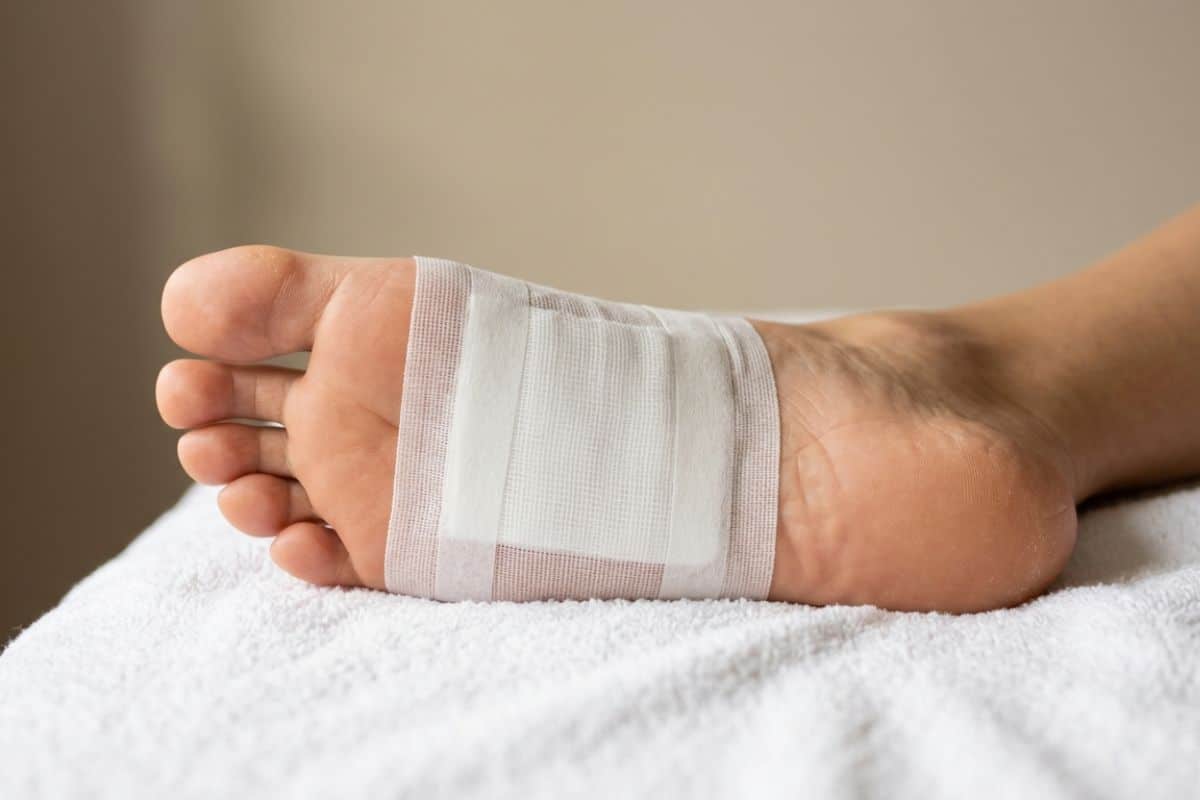
18 Jun How to Keep a Foot Wound from Getting Infected
Learning how to keep a foot wound from getting infected is one of the most important things you can do to protect your long-term health, mobility, and quality of life. For most people, a small cut on the hand heals in a few days with minimal fuss.
On the foot, that same cut faces a completely different set of challenges, including constant pressure, moisture, bacteria, and reduced blood flow. What starts as a minor injury can turn into a serious infection within days if the right steps are not followed.
At Winds of Change in Muskogee, OK, our clinical team works with patients every day who came in after a wound that seemed minor spiraled into something far more serious. This guide will walk you through everything you need to know about protecting a foot wound from infection, recognizing the warning signs, and knowing when to call a professional.
Why Foot Wounds Are Different
Your feet carry the full weight of your body every time you take a step. That repeated mechanical stress reopens wounds that are trying to heal, introduces friction against bandages, and keeps the wound in contact with bacteria that live in shoes, socks, and on the ground.
Blood naturally circulates with less efficiency to the lower extremities compared to the rest of the body, and that reduced flow means fewer healing nutrients, oxygen, and infection-fighting immune cells reach a wound in the foot. According to the CDC, people with diabetes face especially elevated risks, but anyone with a foot wound needs to take it seriously.
The warm, often damp environment inside a shoe also creates the ideal conditions for bacterial growth. A wound left unprotected in that environment is essentially sitting in an incubator for the organisms most likely to cause infection.
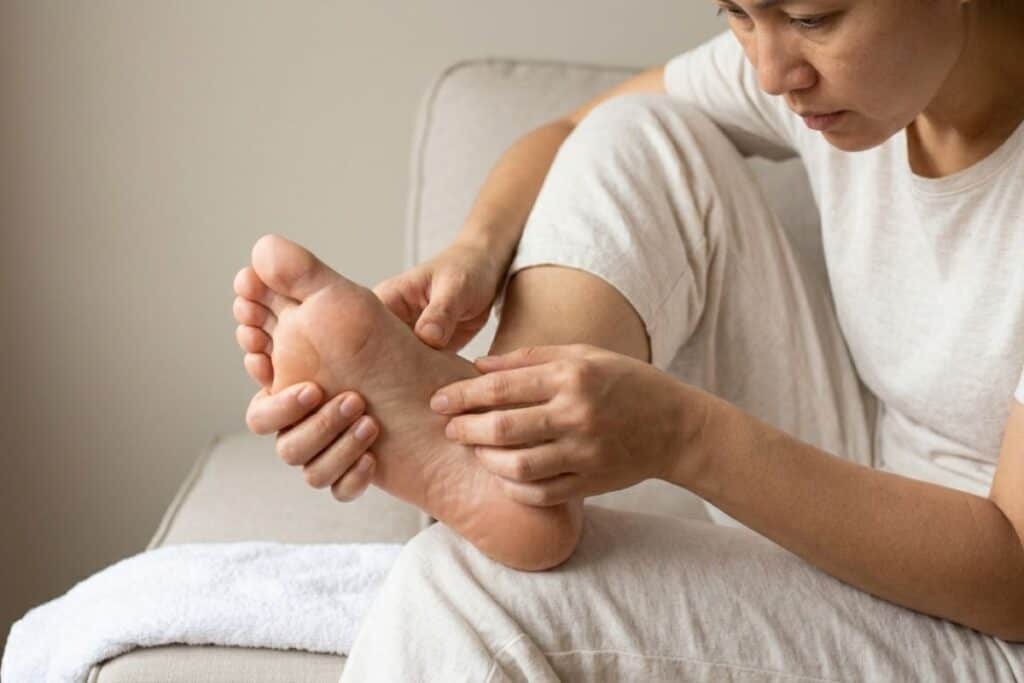
Step 1: Clean the Wound Immediately and Correctly
The single most important thing you can do right after a foot wound occurs is to clean it thoroughly. Rinse the wound gently with clean, lukewarm water or sterile saline to remove dirt, debris, and surface bacteria. Wash your hands with soap and water for at least 20 seconds before touching the wound at any point.
One of the most common mistakes people make is reaching for hydrogen peroxide or iodine. While those solutions do kill bacteria, they also damage the healthy tissue cells that form the foundation of wound repair. Clean water or saline solution is safer, more effective, and less damaging to delicate healing tissue. After rinsing, pat the area dry gently with sterile gauze rather than a cloth towel, which can leave fibers behind and introduce new bacteria.
Step 2: Apply Antibiotic Ointment and Cover It
Once the wound is clean and dry, apply a thin layer of over-the-counter antibiotic ointment such as bacitracin. This creates a protective barrier on the surface of the wound that actively fights bacteria while also keeping the wound in the slightly moist environment that promotes faster healing.
The old advice to “let a wound breathe” has been overturned by decades of research. Moist wound healing consistently produces faster recovery, less scarring, and lower infection rates compared to leaving a wound open to air. Cover the wound with a sterile, non-adherent bandage or foam dressing and secure it with medical tape. Change the dressing daily or any time it becomes wet, soiled, or loose.
If you have diabetes, peripheral artery disease, or any condition that affects circulation, schedule a professional evaluation before relying solely on home care. These conditions dramatically increase your risk of complications.
How to Keep a Foot Wound from Getting Infected: Daily Monitoring
Keeping the wound clean is only half the job. Monitoring it daily for signs that something has gone wrong is equally important. Every time you change your dressing, look closely at the wound and the skin around it. You are looking for specific changes that indicate infection is developing.
Warning signs include:
- Increasing redness that spreads beyond the wound edges
- Warmth or swelling in the surrounding skin
- Pus, cloudy discharge, or a foul odor from the wound
- Red streaking moving away from the wound (a serious sign that infection is spreading through lymph channels)
- Fever or chills
If you notice any of these signs, do not wait and see if they resolve on their own. Seek professional care the same day. For patients in Muskogee, OK and the surrounding areas, Winds of Change specializes in diabetic and non-healing wound care and can evaluate and treat your wound before a manageable problem becomes a medical emergency. Contact us to schedule a wound care consultation in Muskogee today.
Offloading: Protecting the Wound from Pressure
Even perfect cleaning and dressing technique will fail if the wound is under constant mechanical stress. Offloading means reducing or eliminating pressure on the wound during the healing process. Depending on the wound location, this might mean switching to a wide, supportive shoe with a soft sole, using a protective pad or boot, or limiting weight-bearing activity as much as possible.
According to the National Institute of Diabetes and Digestive and Kidney Diseases, offloading is especially critical for people with diabetic foot ulcers, where pressure from every step can prevent the wound from closing and dramatically increases the risk of infection.
Nutrition and Hydration Support Healing from the Inside
What you put into your body has a direct impact on how effectively your wound heals. Protein is the primary building block for new tissue, and a wound that does not have adequate protein available will heal slowly. Vitamins A and C support collagen production and immune function, while zinc plays a central role in skin repair. Staying well-hydrated ensures that nutrients and oxygen are efficiently delivered through the bloodstream to the wound site.
Keeping blood sugar controlled is equally important for patients with diabetes. Elevated blood glucose impairs immune response, slows tissue repair, and creates a nutrient-rich environment in the wound bed that feeds bacteria. Managing your diabetes aggressively during wound healing is not optional — research published through the NIH confirms that glycemic control directly influences wound closure rates. It is essential.
Why Choose Winds of Change for Wound Care
At Winds of Change, founded by Clinical Nurse Specialist Lynette Gunn with over two decades of experience in wound care, we take a non-surgical, evidence-based approach to keeping patients on their feet. We have helped patients across Muskogee, Ft. Gibson, Tulsa, Broken Arrow, and Okmulgee navigate everything from minor wounds to complex chronic ulcers.
Our approach goes beyond bandages. We assess the whole patient, consider underlying conditions like diabetes and vascular disease, and develop personalized care plans that address infection risk at every level. We use medical-grade dressings, debridement when necessary, and hands-on patient education so our patients can protect themselves between visits.
If you have a wound that concerns you, whether it is new or has been slow to heal, do not wait. Contact Winds of Change in Muskogee to schedule your wound care consultation. A $25 consultation fee applies and will be credited toward your treatment package.
Conclusion
Keeping a foot wound from getting infected comes down to four consistent actions: clean it properly from the start, keep it covered with the right dressing, protect it from pressure and re-injury, and watch it closely every day for signs of trouble. The feet are exposed to more bacteria, more mechanical stress, and more moisture than almost any other part of the body, and wounds there deserve a level of attention that matches those risks.
For patients in Muskogee, OK and across Eastern Oklahoma, Winds of Change is here to help at every step, from initial wound assessment to ongoing care that prevents small problems from becoming serious ones. Your mobility is your freedom, and protecting it starts with taking foot wounds seriously.
Contact Winds of Change in Muskogee to schedule your wound care consultation. A $25 consultation fee applies and will be credited toward your treatment package.
Frequently Asked Questions
How do I know if a foot wound is infected?
Signs of an infected foot wound include increasing redness around the wound edges, warmth, swelling, pus or cloudy discharge, a foul odor, and sometimes fever or chills. Red streaks spreading away from the wound are a serious sign that infection is moving into surrounding tissue and requires immediate medical attention.
Should I keep a foot wound covered or let it air out?
Current research strongly supports keeping a foot wound covered with a sterile dressing rather than leaving it open to air. Covered wounds heal faster, produce less scarring, and have lower infection rates because a moist environment supports new cell growth while a dressing keeps bacteria and debris out.
How often should I change the bandage on a foot wound?
Change the bandage at least once per day, and also whenever it becomes wet, dirty, or loose. Each dressing change should include gentle rinsing of the wound, a fresh application of antibiotic ointment if appropriate, and a careful inspection for any signs of infection.
Can I use hydrogen peroxide to clean a foot wound?
Hydrogen peroxide is not recommended for cleaning open wounds. While it does kill bacteria, it also damages the healthy tissue cells that are building new skin. Clean water or sterile saline solution is the safer choice for wound cleaning.
How long does a foot wound take to heal?
A minor foot wound with proper care typically shows clear improvement within one to two weeks. Deeper wounds, wounds under pressure, or wounds in patients with diabetes or poor circulation can take significantly longer. If a foot wound is not improving within two to four weeks of appropriate home care, professional evaluation is needed.
Sorry, the comment form is closed at this time.