

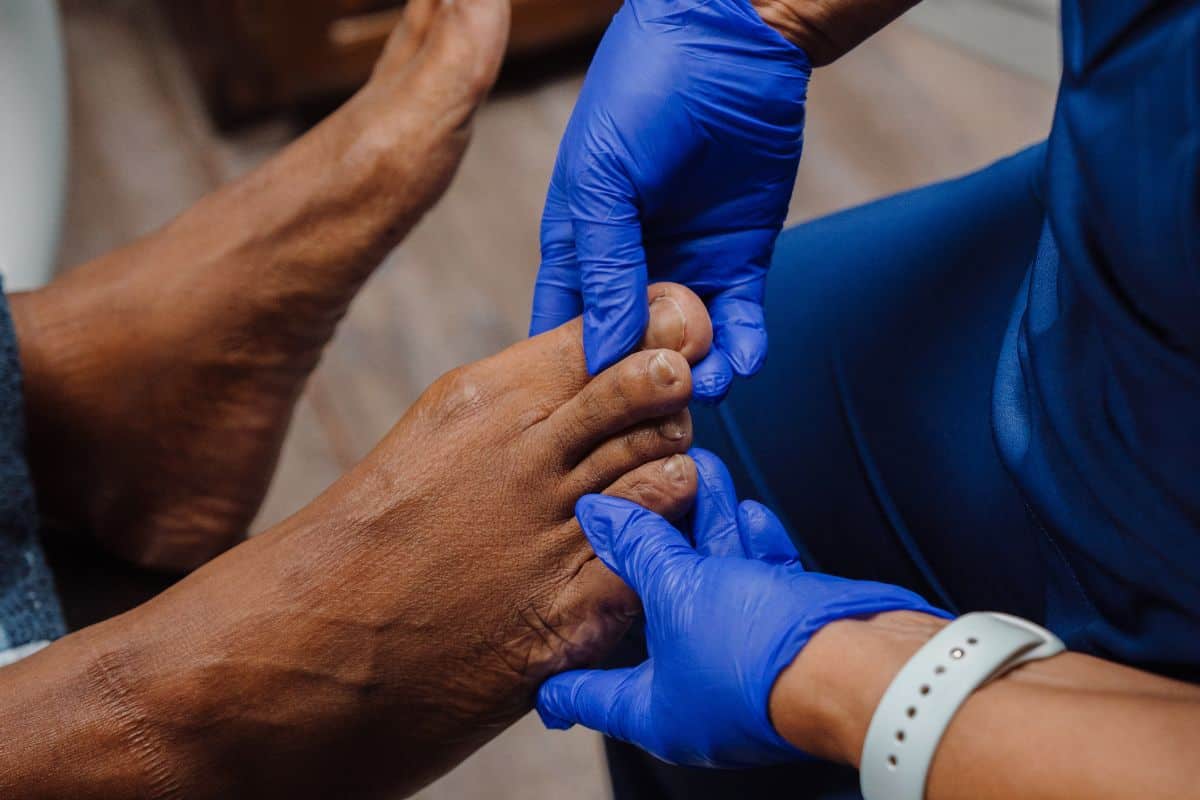
17 Apr 7 Signs a Diabetic Foot Wound Needs Immediate Care
Knowing the signs that a diabetic foot wound needs immediate care could be the difference between saving a limb and losing one. For the millions of Americans living with diabetes, foot wounds are not just a minor inconvenience they are a serious, potentially life-threatening complication that demands attention, education, and fast action.
At Winds of Change in Muskogee, OK, we work alongside patients and families every day as they navigate the challenges of diabetic wound care. This guide is designed to give you the knowledge you need to recognize danger before it becomes a disaster.
Why Diabetic Feet Are So Vulnerable
Diabetes affects the body in ways that make even the smallest foot wound dangerous. Two key complications are at the heart of this risk:
- Peripheral neuropathy is nerve damage that causes numbness, tingling, or a complete loss of sensation in the feet. When you can’t feel pain, you can’t feel a wound forming — or worsening. A tiny blister or cut can go unnoticed for days or weeks.
- Peripheral artery disease (PAD) reduces blood flow to the feet and lower limbs. Without adequate circulation, the body cannot deliver the oxygen and nutrients needed to heal wounds. What heals in days for a healthy person can linger for weeks — or never heal at all — in someone with poorly controlled diabetes.
Together, these two conditions create the perfect storm for serious wound complications, including infections, gangrene, and, in the worst cases, amputation. This is why regular foot inspections and early recognition of warning signs are not optional — they are essential.’
7 Signs a Diabetic Foot Wound Needs Immediate Care
1. The Wound Has Been Open for More Than Two Weeks
Healthy wounds heal. If a cut, blister, or sore on a diabetic foot has not shown significant improvement within 2 weeks—or has been open for longer—this is a red flag. Wounds that fail to close are at high risk for deep infection and may indicate poor circulation or compromised immune function. Do not wait and hope. Seek professional wound care immediately.
2. Redness, Swelling, or Warmth Spreading Around the Wound
Some redness immediately around a wound is a normal part of the healing process. What is not normal is redness that is spreading outward, accompanied by swelling and a warm-to-the-touch sensation. These are classic signs of a spreading bacterial infection called cellulitis. If left untreated, cellulitis can move into deeper tissue, bone, or the bloodstream — a life-threatening complication called sepsis.
3. Discharge That Is Yellow, Green, or Has a Foul Odor
Clear or slightly yellow fluid in the early stages of healing can be normal. However, thick, pus-like discharge that is yellow, green, or brown — especially when accompanied by a foul or unusual smell — signals an active bacterial infection. Infected wounds in diabetic patients require prompt medical attention and often need professional debridement (removal of dead tissue) and antibiotic treatment.
4. Discoloration: Black, Dark Blue, or Gray Tissue Around the Wound
This is one of the most urgent signs. Dark discoloration — particularly tissue that appears black, gray, or dusky — indicates that the tissue is dying. This is called gangrene, and it is a medical emergency. Dry gangrene is the death of tissue due to loss of blood flow; wet gangrene involves infection and spreads rapidly. Both require emergency intervention. If you notice any dark tissue, do not delay — go to an emergency room or call your healthcare provider immediately.
5. Fever, Chills, or a General Feeling of Being Unwell
Foot wounds do not usually cause systemic symptoms on their own. If someone with a diabetic foot wound begins experiencing a fever above 100.4°F, chills, sweating, confusion, or an overall feeling of illness, this may indicate that the infection has entered the bloodstream — a condition known as septicemia or blood poisoning. This is a life-threatening emergency. Call 911 or get to a hospital immediately.
6. Bones or Tendons Visible in the Wound
A wound that has deepened to the point where bone, tendon, or joint tissue is visible is a Stage 4 or higher diabetic foot ulcer — sometimes called a Wagner Grade 3 or above wound. This level of ulceration indicates a severe, advanced wound that requires immediate hospitalization, surgical consultation, and aggressive wound care. There is no safe way to manage this at home.
7. The Wound Is Not Painful — Despite Looking Severe
This one surprises many people. Because neuropathy reduces sensation in the feet, a diabetic patient may have a severe, deeply infected wound that causes little to no pain. The absence of pain does not mean the wound is not serious — it may actually mean the opposite. If a wound looks bad, do not be reassured by the lack of pain. Trust your eyes, not your nerve endings.
Don’t wait until a small wound becomes a major crisis. If you’re seeing signs that a diabetic foot wound needs immediate care, act now. Call us today or schedule your consultation online. Your feet deserve the best care, and so do you.
What to Do If You Notice Any of These Signs
Time is tissue. If you or a loved one with diabetes notices one or more of the warning signs above, take action immediately:
- Do not attempt to self-treat an infected or worsening diabetic foot wound at home.
- Clean the area gently with mild soap and water while awaiting care.
- Do not apply ice, heating pads, or unapproved topical treatments.
- Keep weight off the foot — use crutches or a wheelchair if necessary.
- Call your wound care provider, primary care physician, or go to the emergency room, depending on the severity.
Preventing Diabetic Foot Wounds Before They Start
Prevention is always better than treatment. Here are daily habits every person with diabetes should practice:
- Inspect both feet every single day, including between the toes and the bottom of the foot.
- Wash feet in lukewarm (not hot) water daily and dry them thoroughly.
- Moisturize feet to prevent cracking — but avoid applying lotion between the toes.
- Trim toenails straight across and file sharp edges.
- Wear well-fitting, protective diabetic footwear at all times — even indoors.
- Never walk barefoot, even on soft surfaces.
- Attend regular foot examinations with your healthcare team.
- Manage blood sugar levels consistently — high glucose levels dramatically impair wound healing.
Professional Wound Care: Why It Matters
Home care and good intentions only go so far. Professional wound care incorporates clinical techniques and specialized knowledge that are not available in a home setting. These include:
- Debridement — removing dead, infected, or hardened tissue to expose healthy tissue that can heal.
- Offloading — using specialized boots, casts, or orthotics to take pressure off the wound site.
- Advanced wound dressings — moisture-balanced dressings that promote cellular healing.
- Biofilm management — targeting the bacterial communities that can develop in chronic wounds.
- Hyperbaric oxygen therapy — in some cases, increasing oxygen concentration in tissue to accelerate healing.
- Vascular assessment — evaluating and improving blood flow to the wound area.
Without access to these tools, many diabetic foot wounds will not heal — and will worsen over time.
Why Choose Winds of Change
Located in the heart of Muskogee, OK, Winds of Change is more than a wound care provider — we are a partner in your long-term health. Our clinicians specialize in diabetic wound management, and every patient who walks through our doors is treated with the dignity, patience, and personalized attention they deserve. We understand that behind every wound is a person, a family, and a life that matters.
What truly sets us apart is the depth of care we provide. We don’t simply treat the wound in front of us — we look at the whole picture. That means addressing circulation, nutrition, footwear, blood sugar management, and every other factor that influences how well and how quickly you heal. Our wound care protocols are built on the latest clinical research and continuously updated standards of care, so you can trust that the treatment you receive reflects the best that modern medicine has to offer.
An informed patient is also an empowered one. That’s why patient education is at the heart of everything we do. We take the time to explain your condition, walk you through your treatment plan, and teach you the daily habits that can protect your feet for the long term. Beyond that, we work closely with your endocrinologist, podiatrist, primary care physician, and other members of your healthcare team to ensure every aspect of your care is aligned and working toward the same goal.
And because we’re right here in your community, you never have to travel far to access exceptional, specialized care. When it comes to your health, you deserve a team that truly cares. At Winds of Change, that’s exactly what you’ll find.
Conclusion
Diabetic foot wounds are one of the most preventable yet most devastating complications of diabetes. They begin small, grow silently, and — without proper care — can lead to outcomes no one wants to face. But here’s the truth: with awareness, early action, and the right professional support, most diabetic foot complications are entirely preventable.
The seven warning signs covered in this guide are your toolkit. Use them. Inspect your feet daily, take even minor wounds seriously, and never hesitate to reach out to a professional when something doesn’t look right.
At Winds of Change in Muskogee, OK, we are honored to walk this journey with our patients and their families. Healing is possible. A better quality of life is possible. And it starts with the decision to take your foot health seriously — starting today.
Knowing the signs a diabetic foot wound needs immediate care can save a limb and our team at Winds of Change in Muskogee is here when you need us most. Book your appointment now and experience the difference at Winds of Change.
Frequently Asked Questions
1. How quickly can a diabetic foot wound become dangerous?
A diabetic foot wound can become seriously infected within 24 to 72 hours, especially if blood sugar is poorly controlled. Because neuropathy masks pain, many patients don’t realize how rapidly a wound is worsening. This is why daily foot inspections are so important — catching a wound early makes all the difference.
2. Can I treat a diabetic foot wound at home?
Very minor wounds — a small blister or shallow cut — can be cleaned and temporarily covered at home. However, any wound that does not begin improving within a few days, shows signs of infection, or is larger than a centimeter should be evaluated by a wound care professional. Home treatment is not a substitute for clinical care in diabetic wound management.
3. How do I know if my foot wound is infected?
Key signs of infection include increasing redness or warmth spreading beyond the wound edges, swelling, pus or discolored discharge, a foul odor, or fever. In diabetic patients with neuropathy, these visual and systemic signs are often the only clues, since pain sensation may be absent. If you notice any of these signs, seek care immediately.
4. What type of doctor treats diabetic foot wounds?
Diabetic foot wounds are best managed by wound care specialists, podiatrists, and vascular surgeons, often working as a team. At Winds of Change in Muskogee, OK, we coordinate care across all relevant specialties to ensure a comprehensive approach to your healing.
5. Does insurance cover diabetic wound care?
Most major insurance plans, including Medicare and Medicaid, cover diabetic wound care services when they are medically necessary. Coverage may include wound evaluation, debridement, advanced dressings, and offloading devices. We encourage you to contact our Muskogee office, and we can help you navigate your specific coverage and benefits.
Sorry, the comment form is closed at this time.