

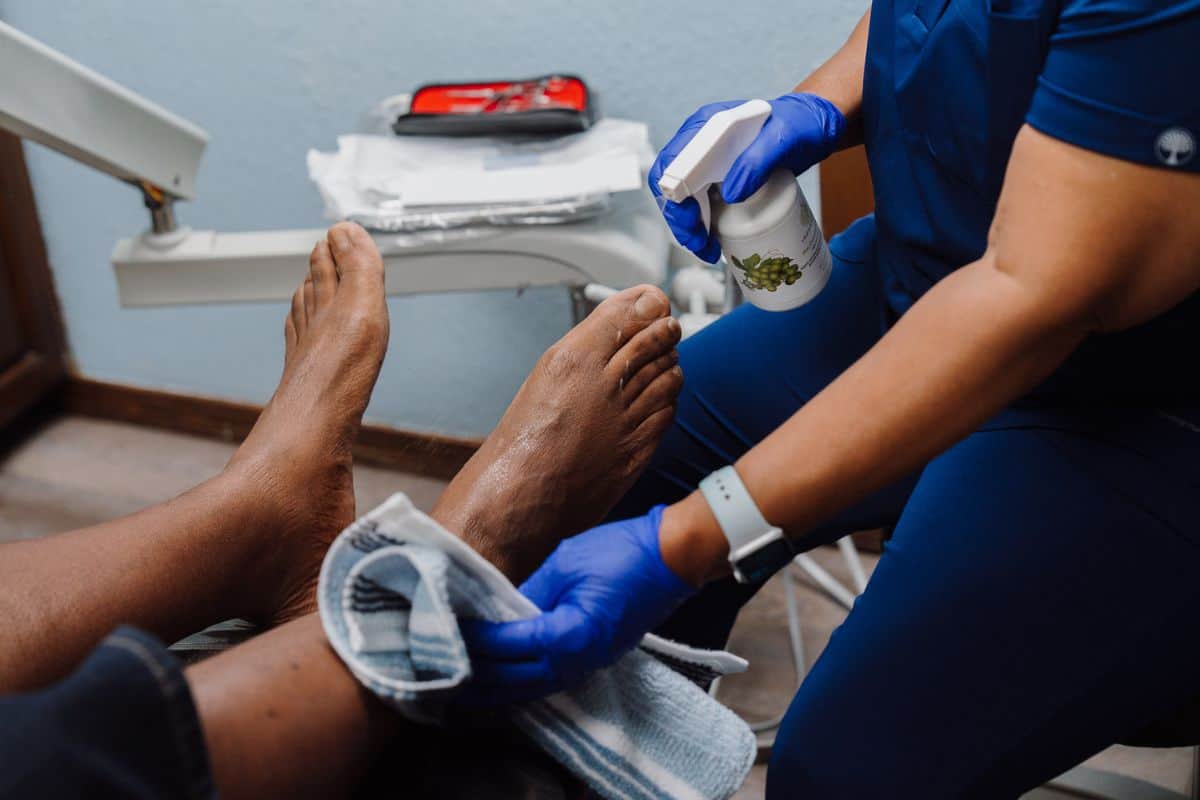
17 Apr What Are the Early Warning Signs of Diabetic Foot Complications?
The early warning signs of diabetic foot complications are subtle, easy to dismiss, and dangerously misunderstood yet catching them early can be the difference between keeping your foot and losing it. If you or someone you love is living with diabetes, this is the article you need to read, save, and share. Because what you don’t know about your feet could cost you far more than comfort.
Diabetes affects over 37 million Americans, and one of its most serious yet overlooked consequences is what happens below the ankle. Diabetic foot complications are among the leading causes of non-traumatic lower limb amputations in the United States. The frightening reality? Most of these amputations are preventable — if the warning signs are caught early enough and proper care is sought.
At Winds of Change in Muskogee, OK, we work with individuals navigating the real, daily challenges of living with diabetes. Our mission is to equip you with the knowledge, care, and support you need to stay ahead of complications before they escalate.
Understanding Why Diabetic Feet Are Uniquely Vulnerable
Before diving into warning signs, it’s important to understand why diabetes creates such significant risks for your feet.
Diabetes affects the body in two critical ways that directly impact foot health:
- Peripheral Neuropathy (Nerve Damage) High blood sugar over time damages the nerves in your extremities — especially your feet and legs. This means you may lose the ability to feel pain, heat, cold, or pressure. A blister, cut, or sore can go completely unnoticed until it becomes infected.
- Peripheral Arterial Disease (Poor Circulation) Diabetes narrows and hardens the blood vessels, reducing blood flow to the feet. Without adequate circulation, even minor wounds heal poorly or not at all. Tissues starved of oxygen and nutrients become vulnerable to infection and tissue death (gangrene).
These two factors, numbness and poor circulation form a dangerous combination that makes diabetic foot complications both stealthy and severe.
Early Warning Signs of Diabetic Foot Complications You Should Never Ignore
This is the heart of what you need to know. These warning signs are your body’s way of sending an SOS and they demand prompt attention.
1. Tingling, Burning, or Numbness in the Feet
One of the earliest signs of peripheral neuropathy is a persistent tingling or burning sensation in the feet, particularly at night. Some people describe it as pins and needles, electric shocks, or the feeling that their foot has “fallen asleep.” As neuropathy progresses, this sensation may give way to complete numbness.
Why it matters: Once numbness sets in, you lose your body’s built-in pain alarm system. Injuries go undetected. Infections develop silently.
2. Changes in Skin Color or Temperature
Examine your feet regularly. Skin that appears red, blue, or unusually pale can be a sign of compromised circulation. One foot or one area of a foot that feels noticeably warmer or cooler than the rest is a red flag that blood flow has been disrupted.
Why it matters: These changes can indicate infection, deep-tissue inflammation, or Charcot foot — a serious condition in which the bones of the foot weaken and fracture without obvious injury.
3. Slow-Healing Wounds, Cuts, or Blisters
A healthy person might heal a small cut in a few days. For someone with diabetes, that same wound can linger for weeks — or become infected and develop into a diabetic ulcer. If you notice a wound on your foot that isn’t closing or shows signs of redness, swelling, warmth, or discharge, do not wait.
Why it matters: Diabetic foot ulcers are the most common precursor to amputation. Early treatment saves limbs and lives.
4. Swelling in the Feet or Ankles
Persistent swelling, especially in one foot more than the other, can signal a range of complications — from infection and inflammation to cardiovascular strain related to poorly managed diabetes. Swelling combined with skin discoloration should be treated as an urgent matter.
Why it matters: Swelling reduces circulation further and can make skin more fragile and prone to breakdown.
5. Thickened or Discolored Toenails
Fungal nail infections are significantly more common in people with diabetes due to immune system compromise. Nails that become thick, yellow, brittle, or separated from the nail bed are a sign of fungal overgrowth — which, while seemingly cosmetic, creates entry points for bacteria.
Why it matters: A nail that breaks, tears, or becomes ingrown in someone with reduced sensation and poor circulation can quickly escalate to a serious infection.
6. Calluses and Corns That Keep Coming Back
Calluses are areas of thickened skin that form in response to repeated pressure or friction. In people with diabetes, calluses form more readily and can bleed — a precursor to ulceration. Attempting to remove calluses at home with blades or chemical treatments is dangerous for diabetic patients.
Why it matters: Calluses indicate abnormal pressure distribution on the foot — often from ill-fitting footwear or gait problems — that must be professionally addressed.
7. Foot Pain While Walking That Disappears at Rest
This pattern — called intermittent claudication — is a hallmark symptom of peripheral artery disease. The muscles in your leg and foot are not receiving enough blood during activity, causing cramping or aching that resolves when you stop. Do not dismiss this as simple fatigue.
Why it matters: This symptom indicates a significant reduction in blood flow, which dramatically impairs the foot’s ability to heal from injury.
8. Hair Loss on the Legs or Feet
It may seem unrelated, but hair loss on the lower legs and feet is a common and underrecognized sign of peripheral artery disease. Reduced circulation means the hair follicles no longer receive adequate nutrients to sustain growth.
Why it matters: This is a visible, outward sign of vascular compromise that many patients overlook for years.
9. Foot Deformities or Changes in Shape
Charcot foot — a condition where nerve damage leads to weakening and eventual fracturing of foot bones — can cause visible changes in the shape of the foot. The arch may collapse, the foot may appear wider or rocker-bottomed, or a joint may appear swollen and hot without obvious injury.
Why it matters: Charcot foot, if left untreated, can lead to severe deformity and dramatically increase the risk of pressure ulcers and amputation.
10. Open Sores or Ulcers
If you have reached this point, the situation has moved beyond a warning sign into an active complication. Open sores or ulcers — particularly on the ball of the foot, heel, or between the toes — require immediate professional care.
Why it matters: Diabetic foot ulcers can rapidly become infected. Once infection reaches the bone (osteomyelitis), treatment options become limited, and amputation risk rises sharply.
Don’t let the early warning signs of diabetic foot complications go unnoticed — a small problem can quickly become a life-changing one. Contact Winds of Change today to schedule your consultation. Your feet can’t afford to wait.
What to Do When You Spot These Signs: Diabetic Foot Care Essentials
Knowledge is only powerful when it leads to action. Here is what proactive diabetic foot care looks like:
- Inspect your feet every single day — tops, bottoms, heels, between the toes
- Wash your feet daily with warm (not hot) water and dry them thoroughly
- Moisturize the tops and bottoms of your feet, but never between the toes
- Wear properly fitting, seamless diabetic socks and supportive footwear
- Never walk barefoot — indoors or outdoors
- Keep blood sugar levels as well-controlled as possible
- Schedule regular professional foot exams — do not rely on self-assessment alone
- Cut toenails straight across and file the edges gently
- Report any wound, sore, or change in your feet to a healthcare provider immediately
The Connection Between Blood Sugar Control and Foot Health
One of the most empowering truths in diabetic foot care is this: your blood sugar levels directly dictate how vulnerable your feet are.
Chronically elevated blood glucose progressively damages nerves and blood vessels. Conversely, people who achieve good glycemic control can slow — and in some cases partially reverse — the progression of neuropathy. Every percentage point reduction in HbA1c matters for your feet.
Work closely with your healthcare team to manage your blood sugar through diet, physical activity, medication, and regular monitoring. This is not optional for foot health — it is foundational.
Why Choose Winds of Change
At Winds of Change, located in the heart of Muskogee, we understand that living with diabetes is a full-time responsibility. You deserve more than generic advice — you deserve a team that truly sees you, understands the complexity of your condition, and partners with you every step of the way.
Here is what sets Winds of Change apart:
- Personalized, patient-centered care — We tailor our approach to your specific health history, lifestyle, and goals
- Deep expertise in diabetic health management — Our team stays current with the latest clinical guidelines for diabetes care and complication prevention
- A compassionate, judgment-free environment — We meet you where you are, without shame or pressure.
- Holistic support — We address not just your physical health, but the mental and emotional weight of managing a chronic condition.
- Local roots in Muskogee, OK — We are your neighbors. We are invested in this community and its people.
- Proactive education — We equip every patient with the knowledge to make informed decisions between visits.
Prevention is the most powerful form of care. Our goal is never to react to complications simply it’s to help you avoid them altogether. When you choose Winds of Change, you’re choosing a partner who is as committed to your health as you are.
Recognizing the early warning signs of diabetic foot complications is the first step let us help you with the rest. We’re here to protect your feet, your mobility, and your quality of life. Book your appointment now because proactive care today means a healthier tomorrow.
Conclusion
Your feet carry you through life. They deserve daily attention, consistent care, and professional support — especially when diabetes is part of your story. The early warning signs of diabetic foot complications are real, common, and treatable — but only if they are recognized and acted upon in time.
Do not normalize tingling, dismiss slow-healing wounds, or assume a little swelling is nothing to worry about. These are your body’s alerts, and they deserve your respect and response.
The good news is that you are not alone. At Winds of Change in Muskogee, OK, we are here to walk this journey alongside you. From education and prevention to active support and care, our team is ready to help you protect your feet, your independence, and your future.
Save this article. Share it with someone you love. And then take action because your health is worth it.
Frequently Asked Questions (FAQs)
Q1: How often should a person with diabetes have their feet checked?
A: People with diabetes should have a foot exam at least once a year by a qualified healthcare provider. If you have neuropathy, poor circulation, or a history of foot ulcers, more frequent exams — every 3 to 6 months — are recommended. Daily self-exams at home are also essential.
Q2: Can diabetic foot problems be reversed?
A: Some early signs, such as mild neuropathy symptoms, may improve with better blood sugar control. However, advanced nerve damage and vascular disease are generally not fully reversible. This is why early detection and prevention are so critically important. The sooner you address warning signs, the better your outcomes.
Q3: What type of shoes are best for someone with diabetes?
A: People with diabetes should wear well-fitting, supportive shoes with a wide toe box, cushioned soles, and no internal seams that can cause friction. Therapeutic diabetic shoes or custom orthotics may be recommended for those with foot deformities or pressure abnormalities. Avoid pointed toes, high heels, and sandals that expose the feet.
Q4: Is foot pain normal with diabetes?
A: Pain — especially burning, tingling, or shooting pain at night — is a common symptom of diabetic peripheral neuropathy, but it is not something to accept. It signals nerve damage that should be evaluated and managed. Additionally, pain during walking that resolves at rest may indicate peripheral artery disease and also requires professional attention.
Q5: How does Winds of Change in Muskogee, OK, support people with diabetes?
A: Winds of Change provides personalized, compassionate care and education for individuals managing diabetes and its complications. Our team helps patients understand their risks, establish healthy foot care routines, and access the support they need to prevent complications and maintain quality of life.
Sorry, the comment form is closed at this time.