

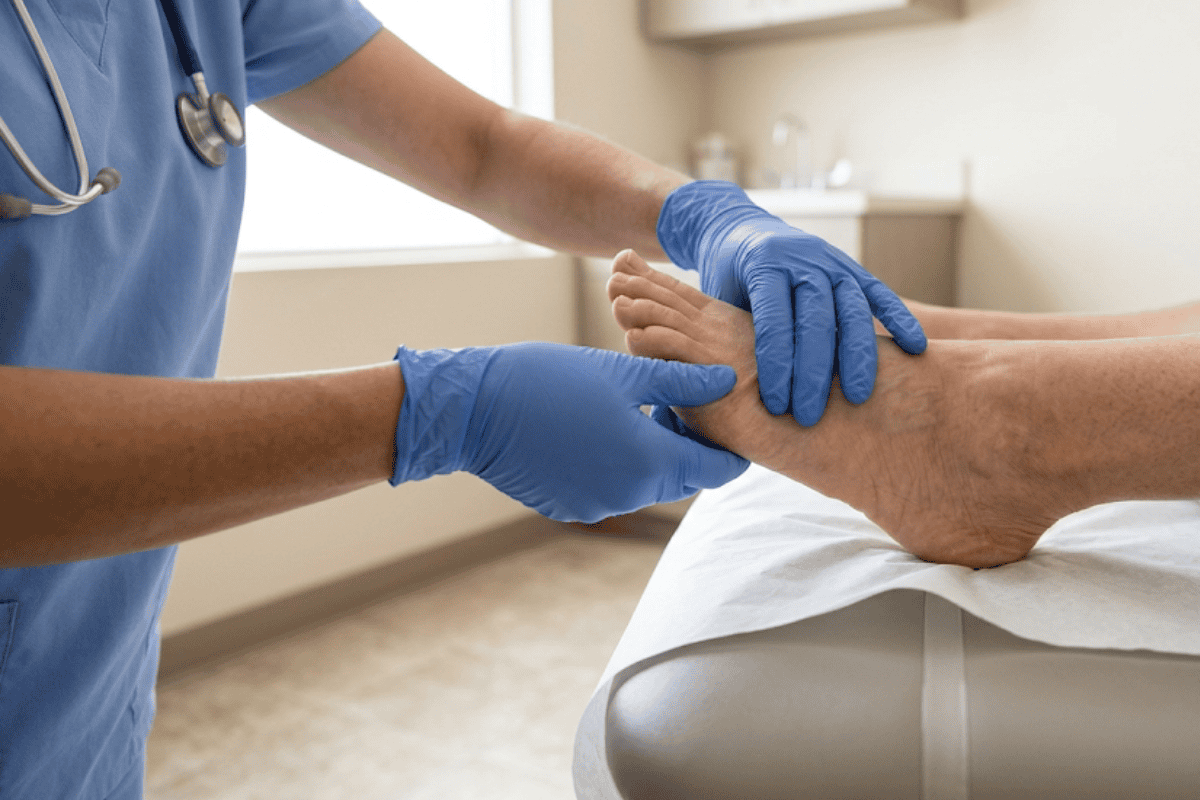
03 Jul Medical Pedicure in Muskogee, Oklahoma: What It Is and Why Your Feet May Need One
A medical pedicure is a clinical foot and nail treatment focused on health and hygiene rather than polish and pampering, and for many people in Muskogee, Oklahoma it is the safest way to keep feet comfortable and problem-free. While a spa pedicure is designed to make your toes look pretty for the weekend, a medical pedicure is performed in a clean clinical setting by a trained provider who is watching for calluses, thickened nails, fungal changes, and the early warning signs of bigger trouble. At Winds of Change, we believe your mobility is your freedom, and healthy feet are where that freedom begins.
If you have diabetes, poor circulation, thick or discolored nails, or you simply cannot safely reach and care for your own feet anymore, this article will walk you through what a medical pedicure involves, who benefits most, and how to find a qualified provider close to home.
What Is a Medical Pedicure?
A medical pedicure, sometimes called a “medi pedi,” is a noninvasive foot care service carried out in a sanitary, clinical environment instead of a salon. Tools are sterilized between patients, the process is often waterless to reduce infection risk, and the goal is the long-term health of your skin and nails. Because a clinician performs the treatment, it doubles as a screening: your provider can spot a pressure sore, an ingrown nail, or a fungal infection before it becomes painful or dangerous.
This is very different from a cosmetic pedicure, where the emphasis is on soaking, massage, and color. A medical pedicure still leaves your feet looking and feeling refreshed, but the priority is medical-grade nail care and skin health. It is the kind of attentive, hygiene-first foot and nail service that supports overall wellness rather than just appearance.
What Happens During a Medical Pedicure
Every appointment starts with a careful look at your feet, but the specifics are tailored to what your skin and nails actually need. As Cleveland Clinic describes, a typical medical pedicure at a clinical provider includes several core steps:
- A visual assessment of your skin, nails, and pressure points to catch problems early
- Gentle cleaning and disinfection of the feet using sterile technique
- Careful trimming, thinning, and shaping of thick, dystrophic, or fungal nails
- Reduction of calluses and hard, built-up skin that can crack or cause pain
- Care around the nail folds to reduce the risk of ingrown nails
- Guidance on at-home foot care, footwear, and when to follow up
There is no rushed soaking or aggressive scraping. Because the process is deliberate and clinical, it is well suited to sensitive feet and to people who cannot risk a nick or cut. If you would like a deeper look at how this works for higher-risk patients, our related guide on how diabetic patients can get a medical pedicure without unnecessary risks is a helpful companion read.
Medical Pedicure vs. Regular Spa Pedicure
The easiest way to understand the value is to compare the two side by side. The table below shows how a medical pedicure differs from a standard salon pedicure across the factors that matter most for your health.
| Factor | Medical Pedicure | Regular Spa Pedicure |
|---|---|---|
| Setting | Clean clinical environment | Nail salon or spa |
| Provider | Trained clinician | Cosmetic nail technician |
| Main focus | Foot health and hygiene | Appearance and relaxation |
| Hygiene | Sterilized tools, often waterless | Shared foot baths, variable sanitation |
| Insurance | Sometimes covered when medically necessary | Not covered |
As the comparison shows, a medical pedicure takes place in a clean clinical environment with a trained clinician, uses sterilized and often waterless technique, and is focused on foot health and hygiene rather than appearance. A regular spa pedicure happens in a salon with a cosmetic nail technician, centers on how your toes look, and relies on shared foot baths where sanitation can vary. Insurance may sometimes help with a medically necessary medical pedicure, while a cosmetic pedicure is not covered.
Who Should Consider a Medical Pedicure
Anyone who wants safer, healthier foot care can benefit, but a medical pedicure is especially valuable for people with conditions that raise the stakes of a small injury. According to the CDC, about half of people with diabetes have some nerve damage, which can dull the pain that would normally warn you about a cut or blister. The NIDDK adds that reduced blood flow makes those small wounds slower to heal.
You should consider a medical pedicure if you have diabetes, peripheral neuropathy, poor circulation, an autoimmune condition, or a weakened immune system. It is also a smart choice if your nails have become thick, brittle, or discolored, if you struggle with recurring calluses, or if arthritis, vision changes, or limited mobility make it hard to safely care for your own feet at home.
Benefits of a Medical Pedicure
The advantages of a medical pedicure go far beyond a tidy appearance. In a single visit, you get hygiene-focused care, greater comfort, and a built-in health check from someone trained to notice what you might miss. As Healthline notes, the clinical setting and technique are what set this service apart from a salon visit.
Key benefits include:
- A strong emphasis on health and hygiene, with sterile tools and infection prevention
- Improved comfort from professional callus reduction and proper nail thinning
- Early detection of problems like ulcers, ingrown nails, or fungal infection
- Reduced risk of injury compared with unsupervised at-home trimming
- Personalized advice on footwear and daily foot care you can actually use
That early detection piece is the quiet hero. MedlinePlus explains that non-healing wounds and infections are among the most serious foot complications, so catching a small change early can prevent a much larger problem later.
Potential Risks and Side Effects
A medical pedicure is low-risk, especially compared with cosmetic pedicures at facilities with poor sanitation. Still, no foot treatment is completely without possible side effects. If technique is careless, there is a small chance of nicks, minor bleeding, or irritation, and some people experience temporary tenderness after heavy callus removal. Allergic reactions to a product used during the visit are also possible, though uncommon.
The way to keep risk low is simple: choose a qualified clinical provider who sterilizes instruments, works gently, and understands the needs of high-risk feet. When care is delivered properly, the benefits clearly outweigh the small risks for most people, and especially for those with diabetes or circulation problems.
Does Insurance Cover a Medical Pedicure?
This is one of the most common questions, and the honest answer is that it depends. A purely cosmetic pedicure is never covered. A medical pedicure may be partially covered when it is medically necessary, for example when routine foot and nail care is prescribed for a patient with diabetes, neuropathy, or another qualifying condition. Coverage varies by plan and by documentation, so it is always worth asking. At Winds of Change, we also offer a Wellness Program along with medical transportation and financing options to help make ongoing foot care affordable and accessible for our Muskogee-area patients.
How to Find a Qualified Provider
When you are looking for a medical pedicure, focus on the credentials behind the service. Ask whether a trained clinician performs the treatment, how instruments are sterilized, and whether the provider has experience with diabetic and high-risk feet. A reputable provider will happily answer these questions and will treat your visit as medical care, not a spa outing. Look for a practice that offers true medical-grade nail care, wound care, and neuropathy support under one roof, so your feet are managed as part of your overall health.
Why Choose Winds of Change
Winds of Change provides non-surgical diabetic foot, wound, and nail care right here in Muskogee, Oklahoma, and we proudly serve patients from Ft. Gibson, Tulsa, Broken Arrow, and Okmulgee as well. Our clinician-led approach means your medical pedicure is more than a cosmetic touch-up. It is a careful, hygiene-first treatment paired with expert attention to calluses, fungal nails, neuropathy, and early warning signs. With our Wellness Program, plus medical transportation and financing, we remove the barriers that keep people from getting the foot care they need. We keep you walking in health, because your mobility is your freedom.
Conclusion
A medical pedicure is one of the simplest, smartest investments you can make in your long-term comfort and independence. It combines a clean, clinical foot care routine with the trained eyes of a provider who can catch small problems before they grow, which matters enormously if you live with diabetes, neuropathy, or circulation issues. Cosmetic pedicures come and go with the seasons, but healthy, well-cared-for feet keep you moving for years. If you are in Muskogee or the surrounding communities, the team at Winds of Change is ready to help you step forward with confidence. Call today to schedule your visit and keep walking in health.
Book Your Medical Pedicure in Muskogee Today, Call or book Online
Frequently Asked Questions
What is the difference between a medical pedicure and a regular pedicure?
A medical pedicure is performed in a clean clinical setting by a trained provider using sterilized, often waterless tools, and it focuses on foot health and hygiene. A regular pedicure happens in a salon and focuses on appearance and relaxation. The medical version also screens for problems like calluses, fungal nails, and early wounds.
Are medical pedicures worth it?
For many people, yes. A medical pedicure delivers safer, more hygienic foot care and includes a health check that can catch small issues early. It is especially worthwhile for anyone with diabetes, thick or fungal nails, poor circulation, or difficulty caring for their own feet.
How often should you get a medical pedicure?
Frequency depends on your individual needs, but many people benefit from a visit every six to eight weeks. Those with diabetes, thickened nails, or recurring calluses may be advised to come in more regularly. Your provider can recommend a schedule based on your skin, nails, and overall health.
Does insurance cover a medical pedicure?
Cosmetic pedicures are not covered, but a medical pedicure may be partially covered when it is medically necessary. This often applies to patients with diabetes or neuropathy who need routine foot and nail care. Coverage varies by plan, so it is best to confirm with your provider and insurer.
Are medical pedicures safe for diabetics?
A medical pedicure can be a very safe option for people with diabetes because it is done in a sanitary clinical setting with sterile tools and gentle technique. This lowers the risk of cuts and infection that make salon pedicures risky for diabetic feet. Care should always be provided by a clinician experienced with high-risk feet.
Sorry, the comment form is closed at this time.