

27 Jul Diabetic Foot Care: Why Regular Foot Exams Can Help Prevent Serious Complications
For people living with diabetes, taking care of your feet is about much more than keeping them clean and comfortable. Diabetes can affect circulation, nerve function, and the body’s ability to heal, making even small foot problems more serious if they are ignored. A minor blister, cut, or sore that might heal quickly for someone else can become a larger concern without proper attention.
That is why regular diabetic foot exams are an important part of managing your overall health. Routine evaluations help identify potential problems early, provide guidance for daily foot care, and reduce the risk of complications that could impact mobility and quality of life.
How Diabetes Affects Your Feet
Diabetes can create several challenges that make foot health more complicated. Over time, elevated blood sugar levels can damage nerves and blood vessels, which can change how your feet feel and heal.
One of the most common concerns is diabetic neuropathy, a type of nerve damage that can cause numbness, tingling, burning sensations, or a loss of feeling in the feet. When sensation is reduced, it may be harder to notice injuries such as cuts, blisters, pressure spots, or infections.
For example, a person with reduced sensation may not feel a small pebble inside their shoe or realize they have developed a blister from footwear that does not fit properly. Without noticing the problem, the injury may worsen over time.
Diabetes can also affect circulation. Reduced blood flow to the feet can slow the healing process and make it more difficult for the body to fight infections. This combination of decreased sensation and slower healing is why proactive foot care is so important.
Why Regular Diabetic Foot Exams Matter
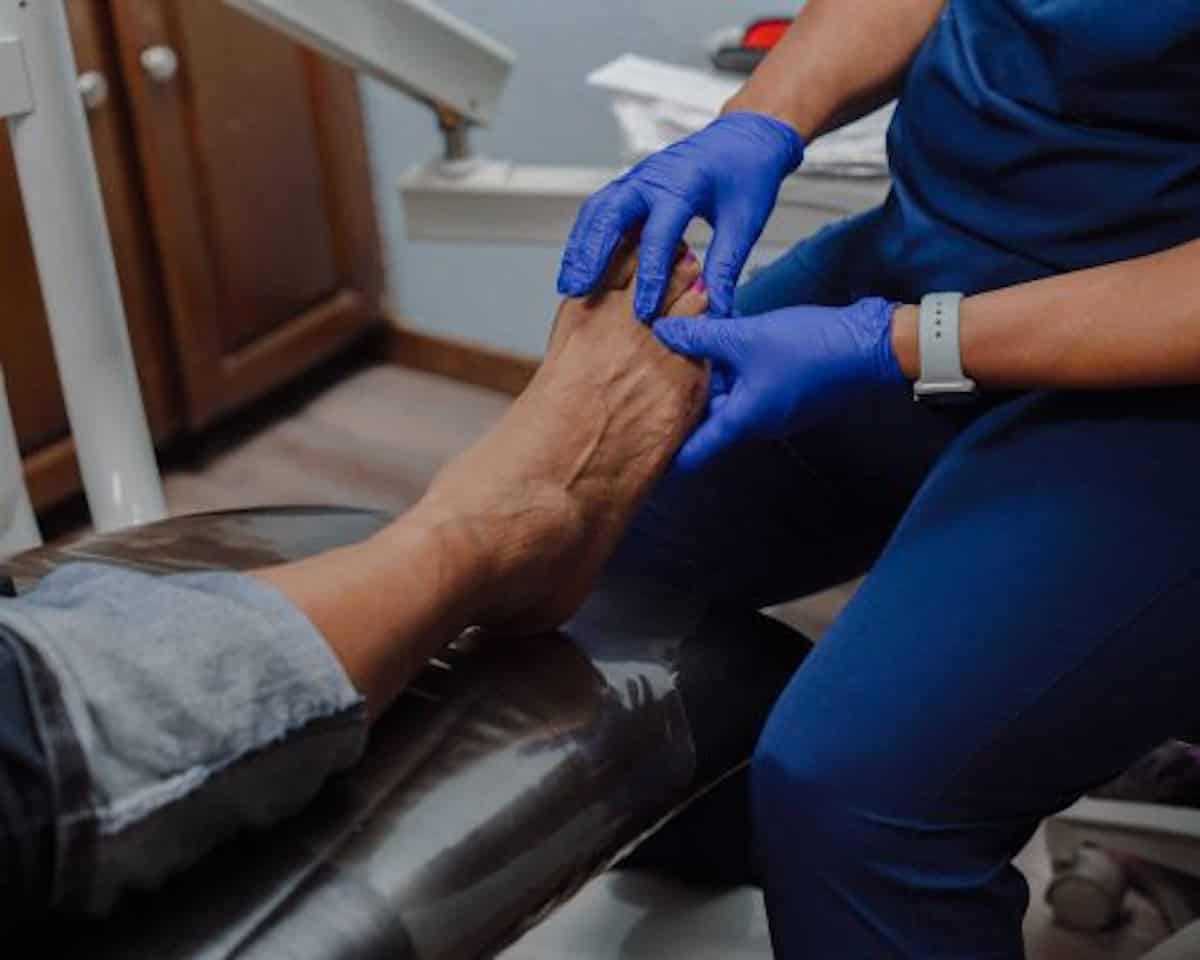
Regular foot exams allow healthcare professionals to look for signs of problems before they become more serious. During an exam, your feet can be checked for changes that may not be obvious during your daily routine.
A comprehensive diabetic foot exam may include:
- Checking for cuts, sores, blisters, or areas of irritation
- Evaluating skin condition and signs of infection
- Assessing circulation and blood flow
- Testing nerve sensation in the feet
- Looking for changes in foot shape or pressure points
- Examining toenails and areas that may be prone to complications
These evaluations provide valuable insight into your foot health and help create a plan for preventing future issues.
Many serious diabetic foot complications do not happen suddenly. They often begin with small changes that go unnoticed. Regular exams give you the opportunity to address concerns early, before they interfere with your comfort, mobility, or independence.

Preventing Diabetic Foot Complications
One of the biggest benefits of routine diabetic foot care is prevention. Consistent monitoring and early treatment can help reduce the likelihood of developing severe problems.
Some common diabetic foot complications include:
Foot Ulcers
A diabetic foot ulcer is an open sore or wound that can develop on the foot. These ulcers often occur in areas where pressure or friction is present, such as the bottom of the foot or areas where shoes rub.
Because diabetes can slow healing, ulcers require careful attention. Regular foot exams can help identify areas of concern, including skin breakdown or pressure points, before they develop into more serious wounds.
Infections
A small wound can become infected if it is not properly treated. Signs of infection may include redness, swelling, warmth, drainage, or increased pain.
For individuals with diabetes, infections can progress more quickly and may require specialized care. Early detection is key to preventing complications.
Changes in Foot Structure
Diabetes-related nerve damage can sometimes contribute to changes in the way the foot functions. These changes can create additional pressure in certain areas, increasing the risk of sores or injuries.
Routine evaluations can help identify these changes and provide recommendations for protecting your feet.
Mobility Challenges
Healthy feet play an important role in maintaining independence and staying active. When foot problems are left untreated, they can make walking and daily activities more difficult.
Preventive foot care helps protect mobility by addressing concerns before they become major obstacles.
What to Expect During a Diabetic Foot Exam
Some people may feel unsure about what happens during a diabetic foot exam, but the process is typically simple and focused on prevention.
A foot care specialist will usually begin by discussing your health history, diabetes management, and any concerns you may have about your feet. They may ask questions about symptoms such as numbness, pain, swelling, or changes you have noticed.
The provider will then examine your feet and assess several areas, including:
- Skin health
- Circulation
- Nerve response
- Foot alignment
- Areas exposed to pressure or friction
Depending on your needs, recommendations may include changes to your daily foot care routine, footwear suggestions, wound care, or additional treatment options.
The goal of these exams is not only to identify existing concerns but also to help you understand how to better protect your feet moving forward.
Daily Diabetic Foot Care Tips at Home
While regular exams are important, daily care at home also plays a major role in preventing foot problems. Small habits can make a significant difference in maintaining healthy feet.
Check Your Feet Every Day
Take time each day to look at your feet for any changes. Check for cuts, cracks, redness, swelling, blisters, or sores. If you have trouble seeing certain areas, use a mirror or ask someone you trust for help.
Keep Feet Clean and Dry
Wash your feet regularly with warm water and mild soap. Dry them carefully, especially between your toes, where moisture can contribute to skin issues.
Moisturize Carefully
Dry skin can lead to cracks that allow bacteria to enter. Apply moisturizer to keep your skin healthy, but avoid applying lotion between your toes unless directed by a healthcare provider.
Wear Proper Footwear
Shoes that fit properly can help prevent pressure points, blisters, and injuries. Avoid walking barefoot, even at home, because you may step on something without realizing it.
Trim Toenails Carefully
Trim toenails straight across and avoid cutting them too short. If you have difficulty safely managing your toenails, professional foot care may be a better option.
Who Should Consider Professional Diabetic Foot Care?
Anyone living with diabetes can benefit from regular foot monitoring, but some individuals may have a higher risk of complications. This may include people who experience:
- Numbness or tingling in the feet
- A history of foot ulcers
- Poor circulation
- Difficulty caring for their feet independently
- Changes in foot shape
- Previous foot infections or wounds
Professional diabetic foot care provides an extra layer of protection by helping identify risks and offering personalized recommendations based on your needs.

Protect Your Feet With Consistent Care
Diabetic foot health is an ongoing process. It requires awareness, routine care, and attention to changes that may seem small at first. The earlier potential problems are identified, the easier they are to address.
Regular foot exams are one of the most effective ways to stay ahead of complications. By combining professional evaluations with daily foot care habits, individuals with diabetes can take an active role in protecting their comfort, mobility, and overall well-being.
Making foot care a regular part of your healthcare routine can help you recognize warning signs sooner and prevent minor concerns from becoming major complications. With the right support, education, and consistent attention, you can continue taking steps toward healthier feet and a better quality of life.
Take the Next Step Toward Healthier Feet
At Winds of Change, we understand the importance of proactive diabetic foot care and providing support for individuals who need specialized lower leg and foot wellness services. Our team is dedicated to helping patients identify concerns early, receive appropriate care, and maintain healthier feet through personalized treatment and guidance.
Regular foot care can make a meaningful difference, and taking the first step toward prevention can help protect your mobility and quality of life for years to come.
Frequently Asked Questions
Why is foot care so important for people with diabetes?
Diabetes can damage nerves and reduce blood flow to the feet, which makes it harder to notice injuries and slows healing, so even small cuts or blisters can turn into serious problems.
What is diabetic neuropathy and how does it affect my feet?
Diabetic neuropathy is nerve damage caused by high blood sugar that can lead to numbness, tingling, or loss of feeling in the feet, making it harder to notice injuries like cuts or pressure sores.
What happens during a diabetic foot exam?
A diabetic foot exam typically includes checking the skin for cuts or infection, assessing circulation, testing nerve sensation, and looking for changes in foot shape or pressure points.
How can I check my own feet for problems at home?
Inspect your feet daily for cuts, redness, swelling, or blisters, using a mirror or asking for help with hard-to-see areas, and keep feet clean, dry, and moisturized (avoiding lotion between the toes).
Who is at higher risk for diabetic foot complications?
People with numbness or tingling in their feet, a history of foot ulcers or infections, poor circulation, or changes in foot shape face a higher risk and may benefit from closer monitoring.
Sorry, the comment form is closed at this time.