

30 May Medical Pedicure: Procedure, Benefits, Risks, and More
A Medical Pedicure is a clinical, health-focused foot treatment that goes well beyond the soak-and-polish routine most people picture when they think of a salon visit. Where a traditional spa pedicure is built around how your feet look, this service is built around how your feet function, feel, and stay healthy over time.
For people in Muskogee, OK, who want foot care that treats hygiene and structure as seriously as appearance, knowing exactly what this treatment involves makes it much easier to decide whether it belongs in your routine.
Below, we walk through the procedure step by step, who benefits most, the real advantages and risks, and the questions clients ask most often.
What Is a Medical Pedicure?
A medical pedicure often shortened to “medi-pedi” — is a noninvasive treatment performed in a sterile, controlled setting rather than an ordinary salon chair. Instead of cosmetic polishes and shared footbaths, the focus is on the health of your skin and nails using professional-grade tools and strict cleanliness standards.
The treatment is tailored to whatever your feet actually need, whether that’s stubborn calluses, corns, thickened nails, or early signs of an ingrown toenail. Nothing about it is one-size-fits-all. Every step is adjusted to the condition of your feet on the day you come in, which is what sets it apart from a routine cosmetic service.
What Happens During a Medical Pedicure?
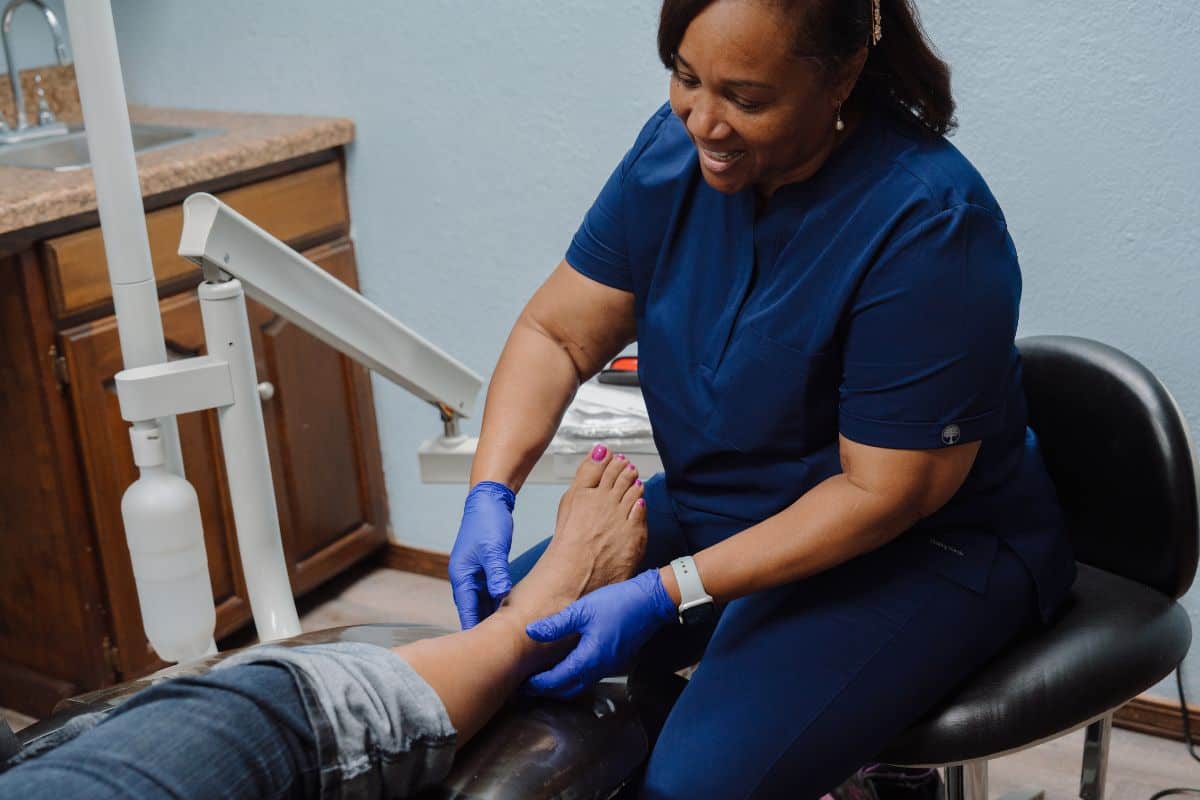
Your visit usually begins with a thorough assessment. A trained specialist examines your feet for skin irregularities, nail disorders, signs of infection, and any pressure or friction patterns that could be causing discomfort. This first look often catches small issues before they turn into painful ones.
From there, your feet are cleaned with medical-grade disinfectants rather than a standard soak. The heart of the appointment is careful, precise work on the nails and skin: toenails are trimmed and filed correctly to discourage ingrown nails, dead skin and calluses are reduced with specialized tools, and rough or thickened areas are smoothed using fine files or podiatry burrs. If there are signs of a fungal or bacterial issue, those areas are treated with targeted solutions.
The biggest behind-the-scenes difference is sanitation. There are no shared basins that could trap bacteria, and the instruments used are either single-use or sterilized to clinical standards between clients. The result is a treatment that feels relaxing but is genuinely built around safety.
Book a medical pedicure at Winds of Change in Muskogee, OK, and let a trained specialist handle your feet the right way.
Who Should Consider a Medical Pedicure?
This service is a strong fit for anyone managing a foot-related health condition. People living with diabetes, reduced circulation, or autoimmune disorders often benefit from the added safety of a clinical approach, where small problems are spotted and handled carefully. It’s also a practical choice if you deal with recurring calluses, thickened skin, or ongoing nail changes that never quite resolve on their own.
A few groups in particular tend to get the most value from regular visits:
- Older adults and people with limited mobility who find at-home foot care difficult or unsafe
- Athletes and anyone who spends long hours on their feet, and wants to prevent buildup, pressure points, and nail damage
That said, you don’t need a medical reason to come in. Many clients prefer the precision and cleanliness of a clinical setting to those of a busy salon.
Benefits of a Medical Pedicure
The headline benefit is the combination of health and hygiene. You receive detailed, personalized care in an environment that follows strict cleanliness protocols, which gives real peace of mind to anyone worried about infection or nail damage.
Comfort is the next big payoff. Trimming nails properly, reducing thickened skin, and addressing areas of friction can ease pain while walking or standing — sometimes after a single appointment. For clients dealing with nail fungus or persistent irritation, steady, consistent care can also improve how their feet look and feel over time.
There’s also a quiet preventive advantage. Because a specialist is examining your feet closely, early changes that might otherwise go unnoticed can be flagged sooner, supporting earlier action when it matters most. Think of it less as a luxury and more as routine maintenance for a part of the body you rely on every single day.
Potential Risks and Side Effects
Medical pedicures are generally very safe when performed by qualified professionals. The main risks come from poor technique — aggressive cutting or filing can lead to injury or infection, which is exactly why your provider’s skill matters so much.
Some clients feel mild discomfort during the treatment, especially when thickened nails or painful corns are being worked on, though this is usually brief. If you have sensitive skin or known allergies, mention it before your appointment so products and disinfectants can be adjusted.
And if you have diabetes, vascular disease, or an immune condition, it’s wise to check in with a podiatrist first, since some conditions can affect healing or sensitivity. None of this should scare you off — it simply reinforces the importance of choosing an experienced, hygiene-conscious provider.
Why Choose Winds of Change
At Winds of Change in Muskogee, OK, foot care is treated as real care, not an afterthought. The focus is on cleanliness, precision, and a personalized plan that reflects the actual condition of your feet rather than a generic checklist. Tools are properly sanitized, the environment is calm and controlled, and the goal of every visit is healthier, more comfortable feet you can trust.
Whether you’re managing a long-term condition, recovering comfort after years of standing all day, or simply tired of salon experiences that prioritize polish over health, you’ll find an approach here that takes your feet seriously. Clients return not just for how their feet look afterward, but for how much better they feel.
Conclusion
A medical pedicure offers something a standard salon visit simply can’t: a treatment designed around the health and function of your feet, delivered in a clean, professional setting. From the initial assessment to precise nail and skin care, every step supports both comfort and safety.
For people managing health conditions, anyone on their feet all day, or those who value a higher standard of cleanliness, it’s a smart, proactive choice. With the right provider, you get improved foot comfort and a polished result without ever compromising your health.
Ready to give your feet the professional attention they deserve? Schedule your appointment with Winds of Change in Muskogee, OK, today and feel the difference clinical-grade foot care makes.
Frequently Asked Questions
How is a medical pedicure different from a regular salon pedicure?
A regular pedicure focuses on appearance — soaking, polishing, and basic grooming, often in a shared footbath. A medical pedicure focuses on foot health and is performed in a sterile environment with single-use or sterilized tools. It addresses issues like calluses, corns, thickened nails, and ingrown nails rather than simply applying polish.
Does a medical pedicure hurt?
For most people, no. The treatment is generally painless and even relaxing. You may feel mild discomfort if painful corns or very thick nails are being treated, but this is usually brief. Telling your provider about sensitive areas beforehand helps keep you comfortable throughout.
How often should I get a medical pedicure?
It depends on your feet. Many people do well with visits every 6 to 8 weeks, while those with fast-growing calluses, thickened nails, or specific conditions may benefit from more frequent care. A specialist can recommend a schedule based on your individual needs.
Can people with diabetes get a medical pedicure?
Often yes, and many find it safer than a salon pedicure because of the clinical hygiene standards. However, because diabetes can affect circulation and healing, it’s best to consult a podiatrist or your doctor first to confirm it’s appropriate for your situation.
Are medical pedicures covered by insurance?
Usually not, since they’re typically considered a preventive or aesthetic service. If the treatment is part of a podiatrist-prescribed plan for a specific medical condition, some insurers may offer partial coverage. Check with your insurance provider and ask for documentation if you plan to seek reimbursement.
Sorry, the comment form is closed at this time.