

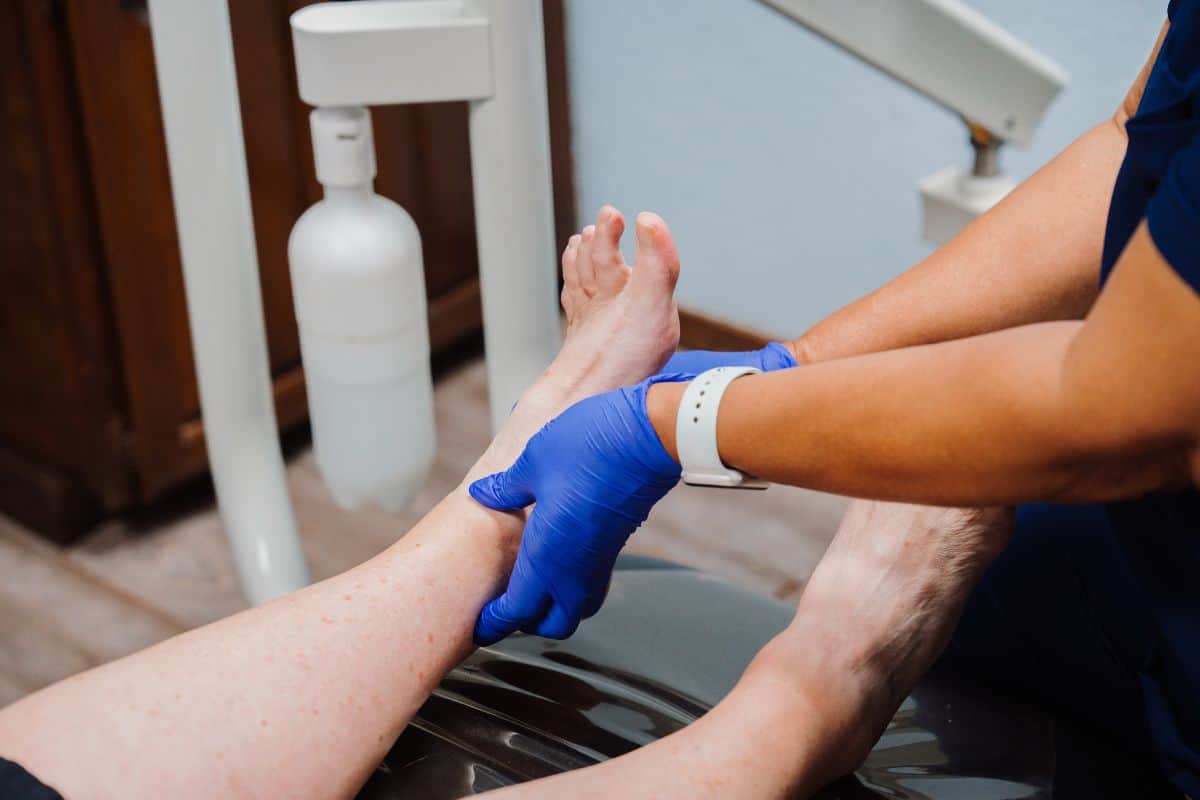
27 Apr How Diabetes Affects Your Feet: 7 Warning Signs You Should Never Ignore
Understanding how diabetes affects your feet is one of the most important things a person living with this condition can do because your feet are often the first part of your body to show the consequences of unmanaged blood sugar.
Millions of Americans live with diabetes, and while most people are aware of the risks to their heart, kidneys, and eyes, the impact on foot health is frequently underestimated until serious problems have already developed. At Winds of Change, based right here in Muskogee, OK, we work alongside individuals who are navigating these health challenges every day. Our goal is to equip you with the knowledge that turns concern into action, and action into long-term wellbeing.
This guide is not just a list of symptoms. It is a deep-dive resource designed to help you truly understand what is happening inside your body, why it matters, and what you can do right now to protect your feet and your future.
Why Diabetes and Foot Health Are Inseparable
To understand the warning signs, you first need to understand the underlying mechanisms at work. Diabetes both Type 1 and Type 2 leads to chronically elevated blood glucose levels. Over time, this excess sugar damages blood vessels and nerves throughout the body. Still, the feet are particularly vulnerable because they are the farthest point from the heart and rely on small, delicate nerve fibers and capillaries to function properly.
The result is two major complications that play out simultaneously. The first is diabetic peripheral neuropathy nerve damage that reduces or distorts sensation in the feet. The second is peripheral arterial disease (PAD), or reduced blood flow to the lower limbs. Together, these two conditions create a dangerous situation: injuries and infections in the feet can go unnoticed and untreated for prolonged periods, allowing small problems to become catastrophic.
In fact, diabetes is the leading cause of non-traumatic lower limb amputations in the United States. That statistic is alarming but it is also preventable when people know what to look for and take early action.
How Diabetes Affects Your Feet: The 7 Warning Signs
These are not vague, hard-to-spot symptoms. These are specific, observable changes that should prompt you to act. Take each one seriously, even if it seems minor at first.
Warning Sign 1 — Numbness, Tingling, or Burning Sensations
One of the earliest signs of diabetic neuropathy is an unusual feeling in the feet — often described as pins and needles, burning, or a complete loss of feeling. This is your nervous system sending distress signals. When these feelings become persistent or progressively worsen, it is a clear indicator that nerve damage is underway. The danger here is that numbness can mask pain from cuts, blisters, or pressure sores that would otherwise alert a healthy person to seek care.
Warning Sign 2 — Slow-Healing Wounds or Sores
When blood sugar is poorly controlled, the body’s ability to repair itself is significantly compromised. White blood cells — the immune system’s first responders — function less efficiently in a high-glucose environment. If you notice that a small cut, blister, or abrasion on your foot is taking more than a week or two to heal, this is a red flag that demands medical attention. These wounds can quickly progress to diabetic foot ulcers, which are one of the primary pathways to infection and, in severe cases, amputation.
Warning Sign 3 — Changes in Skin Color or Temperature
Healthy feet have consistent skin tone and warmth. Diabetes can cause feet to appear unusually pale, reddish, or even bluish or purplish — signs that blood circulation is being compromised. One foot feeling noticeably colder than the other is also a warning signal. These color and temperature changes reflect reduced blood flow, indicating that tissues may not be receiving adequate oxygen and nutrients.
Warning Sign 4 — Swelling in the Feet and Ankles
Persistent swelling, known medically as edema, can be a sign that the vascular system is under stress. In people with diabetes, swelling may also indicate kidney complications — since the kidneys help regulate fluid balance and are frequently affected by prolonged high blood sugar. Occasional mild swelling after a long day is common, but chronic or asymmetric swelling in the feet and ankles warrants proper evaluation.
Warning Sign 5 — Recurring Infections or Fungal Growth
High blood glucose creates an environment in which bacteria and fungi thrive. People with diabetes are far more susceptible to athlete’s foot, toenail fungal infections, and recurring bacterial infections in cuts or blisters. If you find that foot infections keep coming back despite treatment, or that fungal nail issues are persistent and spreading, this is not just a cosmetic problem — it is a sign of a compromised immune response that needs to be addressed at its root.
Warning Sign 6 — Corns, Calluses, and Structural Deformities
Diabetic neuropathy can change the way a person walks by altering the muscles and joints of the foot. This often leads to abnormal pressure distribution across the foot’s surface, resulting in the development of thick calluses and corns. Over time, this can also lead to structural deformities, such as hammertoes or Charcot foot—a serious condition in which the bones of the foot weaken and fracture. What begins as a callus can, without proper attention, become a deep ulcer that is difficult to treat.
Warning Sign 7 — Hair Loss on the Toes or Feet
This one often surprises people. Reduced circulation caused by diabetes limits the supply of nutrients and oxygen to hair follicles on the feet and lower legs. A gradual or complete loss of hair on the toes and the tops of the feet can be a subtle but meaningful early indicator of peripheral arterial disease. It is often one of the first visible signs of circulation trouble — long before pain or skin breakdown occurs.
Ready to take action? Winds of Change in Muskogee, OK, provides personalized support and professional care to help individuals with diabetes protect their health — starting with their feet. Schedule your consultation today.
What to Do If You Notice These Signs
The most important step you can take after identifying any of these warning signs is to seek professional evaluation without delay. Early detection consistently leads to better outcomes, and many of the most severe complications associated with diabetic foot disease are preventable when addressed in time.
In addition to professional care, daily habits form the foundation of long-term foot health. Inspect your feet thoroughly every evening — look between your toes, check your heels, and look for any changes you missed the day before. Keep your feet clean and moisturized, but avoid applying lotion between the toes where moisture can collect and promote fungal growth.
Trim your toenails straight across to reduce the risk of ingrown nails. Always wear properly fitted shoes, and never walk barefoot — especially outdoors or on hard floors that can harbor debris or cause injury you may not feel due to neuropathy.
Blood sugar management remains the single most powerful tool against foot complications. Work closely with your healthcare provider to keep your A1C levels within your target range, as consistent blood sugar control can slow or halt the progression of neuropathy and vascular damage.
Why Choose Winds of Change
At Winds of Change, located in Muskogee, OK, we believe that living with diabetes does not have to mean living in fear of complications. We build our entire approach on one foundational principle: every person deserves support that is compassionate, personalized, and genuinely effective.
We understand that managing diabetes is not a one-size-fits-all journey. From the moment you connect with our team, we work to understand your unique situation — your health history, lifestyle, goals, and challenges. We design our services not just to address the symptoms you experience today, but to give you a sustainable path forward that cuts your risk of serious complications over time.
Our team brings hands-on experience working with individuals at every stage of their diabetes journey. Whether you recently received a diagnosis, are navigating long-term complications, or fall somewhere in between. We serve the Muskogee, OK community with dedication and pride, and we show up as a resource you can count on when it matters most.
Choosing Winds of Change means choosing a team that stays with you — not just for one appointment, but as an ongoing partner in your health. When it comes to your feet, your mobility, and your quality of life, that kind of consistent, expert support makes all the difference.
Conclusion
Diabetic foot complications are serious but they are also among the most preventable consequences of diabetes when caught early and managed properly. The seven warning signs outlined in this guide are not meant to frighten you. They are meant to empower you with the awareness to act before small changes become permanent problems.
Your feet carry you through every moment of your life. They deserve the same level of attention and care as every other part of your body. Start with daily inspections. Maintain your blood sugar. Wear the right footwear. And above all, never dismiss a change in your feet as “probably nothing.”
If you are in the Muskogee, OK area and looking for dedicated, experienced support in managing your diabetes and protecting your overall health, Winds of Change is here for you.
Contact Winds of Change today and let us help you take the next step toward healthier feet and a more confident life with diabetes. Call us or visit us in Muskogee, OK.
Frequently Asked Questions
1. Can diabetes cause permanent foot damage?
Yes, if left unmanaged, diabetes can lead to permanent nerve damage (neuropathy), poor circulation, and wounds that do not heal — potentially resulting in amputation. Early intervention and consistent foot care are essential to prevent irreversible damage.
2. How often should a person with diabetes check their feet?
People with diabetes should inspect their feet every day for cuts, blisters, swelling, redness, or changes in skin color or temperature. A professional foot evaluation is also recommended at least once per year.
3. What kind of shoes are best for people with diabetes?
Diabetic-friendly footwear should feature a wide toe box, no rough interior seams, soft cushioning, and a firm but flexible sole. High heels, open-toed shoes, and tight footwear that restricts blood flow should all be avoided.
4. Is foot tingling always a sign of diabetes?
Not necessarily, but persistent tingling or numbness in the feet is one of the most recognized early signs of diabetic peripheral neuropathy. If you experience ongoing tingling, a healthcare provider should evaluate you to determine the cause.
5. Can foot problems from diabetes be reversed?
Some early-stage issues — such as mild neuropathy or minor skin changes — may respond well to proper blood sugar management, lifestyle adjustments, and professional care, allowing you to slow or improve the condition. However, advanced complications rarely reverse on their own, which is why catching problems early and acting fast matter most.
Sorry, the comment form is closed at this time.