

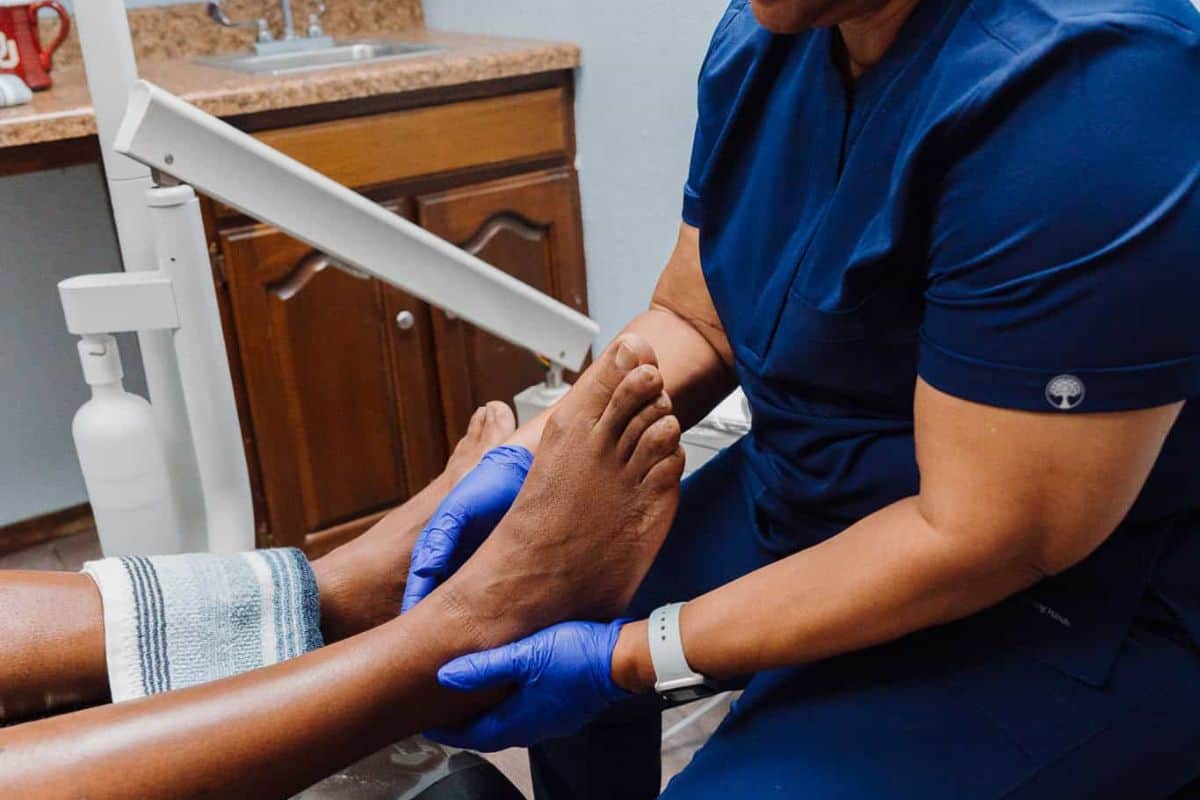
18 Mar 7 Foot Care Secrets Every Veteran Should Know (Even After Service)
The foot care secrets every veteran should know are more than just tips — they are the difference between thriving in civilian life and quietly enduring pain that was never part of the mission.
Years of standing at attention, marching across unforgiving terrain, carrying heavy packs, and wearing standard-issue boots take a toll that rarely shows up in discharge papers. When the uniform comes off, the feet that carried you through every assignment deserve specialized, expert attention. Yet foot health is one of the most overlooked areas of veteran wellness, leaving countless men and women dealing with preventable conditions that limit their quality of life long after service ends.
At Winds of Change in Muskogee, OK, we have worked with veterans at every stage of life and have seen how proper foot care transforms comfort, mobility, and independence. This guide pulls back the curtain on seven powerful strategies designed specifically for those who served.
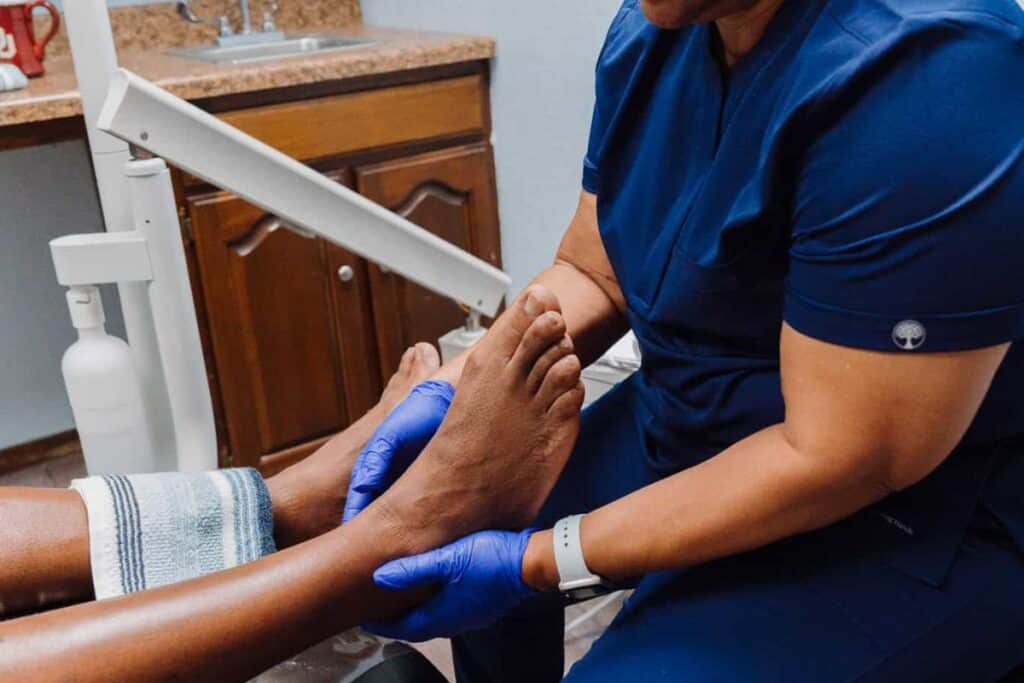
Why Veterans Face Unique Foot Challenges
Before diving into the secrets, it is important to understand why the veteran foot experience is different from that of the general population. Military service creates cumulative stress on the musculoskeletal system in ways that civilian life rarely replicates:
- Repetitive, high-impact movements during training and deployment compress joints over time.
- Standard military footwear is not always fitted to individual biomechanics, leading to structural imbalances.
- Exposure to extreme temperatures, moisture, and rough terrain can lead to long-term skin and nail complications.
- Service-connected conditions such as diabetes, peripheral artery disease, and nerve damage are disproportionately common among veterans.
- The “push through the pain” culture of military life often means problems are ignored for years before being addressed.
Understanding this context makes each of the following secrets even more meaningful.
Foot Care Secrets Every Veteran Should Know: 7 Strategies That Change Everything
Secret #1: Treat Toenail Problems Before They Become Infections
Ingrown toenails are one of the most common complaints among veterans, and they are also one of the most dangerous when left unaddressed — especially for those managing diabetes or circulation problems. What begins as minor discomfort from years of tight boots can spiral into serious bacterial infections that threaten mobility.
The secret most veterans do not know: professional nail trimming and nail debridement are not just cosmetic. It is a medical service that removes pressure points, reduces infection risk, and allows the nail bed to heal properly. Attempting to cut deeply curved or thickened nails at home with standard clippers often worsens the condition.
At Winds of Change, our nail care services are performed by trained professionals in a safe, sanitary environment designed with veteran comfort in mind.
Secret #2: Calluses Are Not Just Cosmetic — They Are Warning Signs
Years of military service practically guarantee thick calluses on the heels, balls of the feet, and toes. Most veterans wear these calluses as badges of honor, viewing them as proof of hard work. The hidden danger is that a thick, hardened callus buildup can mask pressure ulcers forming beneath it — a serious concern for any veteran with reduced sensation in the feet.
Regular callus reduction by a foot care professional safely and methodically removes layers of dead skin, relieving pressure and allowing proper circulation to reach the skin layers below. This simple step has helped many of our clients in Muskogee avoid complications that would have otherwise required medical intervention.
The rule of thumb: if your calluses are painful when pressed, have changed color, or feel unusually hard or soft in patches, it is time for a professional assessment.
Secret #3: Daily Inspection Is the Single Most Powerful Habit You Can Build
In a combat zone, regular equipment inspection is non-negotiable. The same discipline applied to your feet can prevent catastrophic health outcomes. Daily foot inspection — looking at the soles, between the toes, and around the nails — takes less than two minutes and catches problems at their earliest, most treatable stage.
Here is what to look for during a daily inspection:
- Red, warm, or swollen areas indicate early infection or inflammation.
- Cracks in the skin, especially around the heel, can become entry points for bacteria.
- Blisters or open sores anywhere on the foot or ankle.
- Changes in nail color, thickness, or texture that may signal fungal infection.
- Numbness, tingling, or burning sensations that were not present before.
Secret #4: Moisture Control Is More Important Than Most Veterans Realize
Military environments range from soggy jungle conditions to desert heat, and both extremes create lasting effects on foot skin integrity. Many veterans alternate between cracking, peeling dry skin, and fungal issues born from persistent moisture — sometimes simultaneously on different parts of the same foot.
The solution is not a single over-the-counter lotion. True moisture management is a two-pronged strategy: keeping the top and sides of the feet well hydrated with a urea-based moisturizer while keeping the spaces between the toes dry and ventilated to prevent fungal growth. Applying the wrong product to the wrong area accelerates the very problem you are trying to prevent.
Our foot care professionals at Winds of Change assess each client’s skin condition individually and provide personalized hydration recommendations based on your specific foot type and medical history.
Secret #5: Circulation Therapy Addresses What Foot Creams Cannot
One of the most underappreciated aspects of veteran foot health is circulation. Sitting for long periods, reduced physical activity post-service, smoking, and service-connected vascular conditions all contribute to poor peripheral circulation. When blood flow to the feet is compromised, even small wounds heal slowly, infection risks rise, and everyday discomfort becomes a constant companion.
Professional foot massage and circulation-stimulating treatments are not luxuries — they are therapeutic interventions with measurable health benefits. Gentle, targeted massage improves lymphatic drainage, reduces swelling, and stimulates blood flow to peripheral tissues. Combined with appropriate footwear guidance, these treatments can significantly reduce discomfort in veterans dealing with neuropathy or varicose veins.
Our care team at Winds of Change incorporates circulation-focused techniques into every veteran’s foot care appointment.
Secret #6: Your Footwear After Service Matters as Much as Your Boots During Service
Many veterans swap their standard-issue boots for whatever is on sale at the nearest discount store, unaware that civilian shoes can compound the structural damage already sustained during service. Footwear that lacks adequate arch support, proper toe box width, or shock absorption essentially continues the injury cycle every single day.
Key features veterans should prioritize in post-service footwear include:
- A wide toe box that does not compress the smaller toes.
- Firm arch support that matches your individual foot arch, not a generic insole.
- Sufficient heel cushioning to absorb impact from walking on hard surfaces.
- Breathable, moisture-wicking material to maintain a healthy skin environment.
- A secure but not constricting closure system to prevent pressure points.
During your appointment at Winds of Change, our team can assess your gait and foot structure and provide personalized recommendations to guide your next footwear purchase.
Secret #7: Consistent Professional Foot Care Is Not Optional — It Is Preventive Medicine
Perhaps the most transformative secret of all is this: scheduling regular professional foot care appointments is not a sign of weakness or self-indulgence — it is one of the smartest investments a veteran can make in their long-term health. The American Diabetes Association recommends that people with diabetes have their feet examined at every clinical visit, and veterans with diabetes are at an even higher risk for complications due to service-related nerve damage.
But even veterans without diabetes benefit enormously from routine professional care. Catching a fungal nail infection before it spreads saves months of treatment. Identifying the early signs of a stress fracture before it becomes a break prevents serious injury. Getting a heel fissure treated before it deepens avoids a painful, hard-to-heal wound.
Quarterly foot care visits are the gold standard for most veterans. Those managing diabetes, peripheral neuropathy, or active skin conditions may benefit from monthly appointments.
Now that you know the foot care secrets every veteran should know, take the next step — book your appointment at Winds of Change in Muskogee, OK today. Call us or visit our website to schedule your session and start living pain-free..
Why Choose Winds of Change
Located in the heart of Muskogee, OK, Winds of Change was built on a single core belief: that the people who sacrificed the most deserve care that reflects that sacrifice. Our team approaches every appointment with the depth of respect and professionalism that the veteran community deserves.
Here is what sets us apart from general wellness providers:
- Veteran-focused expertise: Our practitioners are trained in the specific foot conditions most prevalent among veterans, from service-related neuropathy to trauma-induced structural deformities.
- Comprehensive foot care services: From nail trimming and callus reduction to circulation therapy and skin treatments, we offer a full spectrum of foot care under one roof in Muskogee, OK.
- A calm, respectful environment: We understand that many veterans find clinical settings stressful. Our space is designed to be welcoming, unhurried, and sensitive to the needs of those who may be managing PTSD or other service-related conditions alongside physical health challenges.
- Personalized care plans: No two veterans have the same foot history. We take the time to understand your service background, current health conditions, and personal goals before developing a care approach tailored specifically to you.
- Community roots: Winds of Change is proudly embedded in the Muskogee, OK community, serving local veterans with the same dedication those veterans brought to their own service.
When you walk through our doors, you are not just another appointment on a schedule. You are a person whose service we honor, and whose health we are committed to protecting.
Conclusion: Your Service Deserves Lasting Care
The seven-foot care secrets outlined in this guide are not complicated — but they are powerful. From consistent daily inspection to professional callus management, moisture control, circulation therapy, and the right footwear choices, each strategy builds on the others to create a comprehensive defense against the foot problems that disproportionately affect veterans.
Your feet carried you through basic training, deployments, and every challenge that came between. They deserve more than neglect once the boots come off. They deserve the same disciplined, proactive attention you gave to every mission you completed.
Winds of Change is proud to serve the veteran community of Muskogee, OK, and the surrounding area. Whether you are dealing with an immediate foot concern or want to get ahead of the issues that decades of service have left behind, our team is here — ready, skilled, and honored to help.
The foot care secrets every veteran should know begin with finding a team that truly understands your needs. Schedule your session at Winds of Change in Muskogee, OK — because you deserve care as dedicated as your service. Contact us today.
Frequently Asked Questions
1. How often should a veteran get professional foot care?
Most veterans benefit from a professional foot care appointment every 6 to 8 weeks. Those with diabetes, peripheral neuropathy, or active skin and nail conditions may need to be seen monthly. Your care provider at Winds of Change will recommend an appropriate schedule based on your individual health status and history.
2. Is professional foot care covered by VA benefits?
Coverage depends on your individual VA eligibility, the specific services needed, and whether your foot condition is service-connected. We encourage you to contact the VA directly or speak with a benefits coordinator to understand what services may be covered. Our team at Winds of Change in Muskogee, OK, is happy to assist you in navigating this process.
3. Can foot care help with neuropathy pain?
Yes. While professional foot care cannot reverse nerve damage, it plays a critical role in managing neuropathy-related complications. Regular inspection identifies wounds or pressure points that a veteran with reduced sensation may not feel. Circulation-stimulating treatments can also reduce the discomfort and swelling commonly associated with peripheral neuropathy. Always inform your care provider of any neuropathy diagnosis so they can adapt their approach accordingly.
4. What should I bring to my first foot care appointment?
Bring any relevant medical records or notes about your current health conditions, including a list of medications you take. It is also helpful to bring the shoes you wear most frequently so your provider can assess fit and support. Wear or bring clean socks, and be prepared to share a brief history of your military service and any foot problems you have experienced since leaving the military.
5. Do I need a doctor’s referral to visit Winds of Change for foot care?
No referral is needed to schedule a foot care appointment at Winds of Change in Muskogee, OK. You are welcome to contact us directly to book your first visit. If your foot condition requires medical treatment beyond our scope of care, we will coordinate with your healthcare team to ensure you receive the appropriate level of attention.
Sorry, the comment form is closed at this time.